Uncategorized

Blog, Uncategorized

Heat stress worsens chronic health conditions, residents of informal settlements hit hardest

Heat stress worsens chronic health conditions, residents of informal settlements hit hardest Climate change is increasing the frequency, intensity and duration of heat extremes worldwide. In India, the average maximum temperature increased by ~0.5°C by 2000, and by ~1.0°C by 2020, as per a study published recently. Heat extremes put more individuals, communities and health systems at risk of illness, and death.  People with pre-existing chronic illnesses such as diabetes, hypertension, renal disease among others are more vulnerable to heat-related illnesses. Extreme heat is known to exacerbate health risks of those living with chronic diseases and can trigger hospital visits and mortality risk as the body struggles to regulate itself under heat stress.  Urban SHADE’s Hemanth Chandu and Pavani Pendyala recently wrote an article about informal settlements residents who live with chronic diseases. Urban SHADE’s Menaka Rao spoke to Dr Vivekanada Jha,  executive director at The George Institute for Global Health, India, and a nephrologist and public health researcher. He is Professor, Faculty of Medicine, Imperial College London, and the past President of the International Society of Nephrology. A prolific writer and editor, Dr Jha has worked with many global organisations including the World Health Organisation to develop clinical practice guidelines and advocacy papers. His research interests include understanding the health and societal impact of kidney diseases around the world and the development of affordable, scalable and sustainable primary and secondary prevention tools. Here are the excerpts of the interview: Menaka: How does extreme heat affect persons with chronic diseases such as hypertension, diabetes? In your clinical experience, what changes have you seen among those living with chronic health conditions , especially among poor patients and those living in informal settlements? Dr Jha: Heat affects both basic biology and the response of the body to external stimuli for people with chronic diseases including hypertension, diabetes, cardiovascular disease, kidney disease, etc. As temperatures go up, we sweat more. While the sweating is perceptible when humidity is high, it is not perceptible when the heat is dry. Sweating leads to a loss of water and salt from the body, reducing the total water and salt concentration. This can lead to a reduction in blood pressure. We have seen in clinics that people with well-controlled hypertension suddenly experience low blood pressure during extreme heat. They become giddy and weak. So during the summer months, we have to reduce the number of blood pressure medicines then, especially diuretics, which have the property of increasing urine flow, further worsening fluid and salt loss. We also have to warn our patients to check their blood pressure more frequently and pay attention to how they are feeling. Many people with diabetes require insulin, which is taken in the subcutaneous region. During the heat, the body does not absorb insulin well from that site, leading to uncontrolled blood sugar levels, even if it had been previously controlled. The build up of sugar concentration in the blood leads to spillage in the urine, which draws more water with it, causing dehydration. We ask patients to avoid injecting on the limbs before physical activity in heat. The abdomen is more predictable. They should also monitor blood sugars more frequently during heat waves, especially after meals. Insulin is a protein that denatures in hot weather. It should therefore be stored in a fridge.  Many in informal settlements don’t have access to a fridge. Practical solutions include using insulated pouches with ice bags or clay pot coolers. The effects of heat on kidney function have been extensively studied. When people lose salt and water through sweat, the blood flow to the kidneys decreases, and the kidneys lose some function. Let’s say a manual worker works in extreme heat from morning to evening. By evening, their kidney function becomes lower than normal. The kidney function may recover after the worker returns home and has water for the day, but repeated insults to the organ can result in long-term irreversible injury, which can progress to kidney failure. This has been well documented in many geographies around the world, including rural agricultural communities, outdoor workers such as construction workers, people who work in salt pans, and others. A population that is overlooked is women in informal settlements who have to cook indoors using coal or wood-fired stoves and therefore are exposed to high heat for prolonged periods. The body’s homeostatic mechanisms, which help us adapt to changes in our external environment, such as high heat, are impaired in those with chronic diseases like hypertension and diabetes. A younger person without any of these diseases, for example, will respond much more resiliently to heat stress. Menaka: What is the kind of advice for people with chronic diseases? Dr Jha: We warn our patients with hypertension that their blood pressure may go down during summer and that they should be mindful of any new symptoms that they develop. For example, if they start feeling giddiness or weakness, they should either check their blood pressure wherever they are or come to the clinic, where it can be checked. In that situation, we may need to reduce the number of blood pressure medications. Similarly, when the summer season ends, their need for blood pressure drugs may increase again. People with diabetes who are taking insulin, we have to advise them to keep their insulin in a cold environment, in a fridge, etc. We also tell them that when they are taking insulin, they should make sure they don’t inject it into the same site of the skin every day, especially over the limbs before physical activity. Finally they need to increase the frequency of blood sugar monitoring especially after meals. For people with kidney disease, we tell them to drink extra water and take salt when they step out. Not just one single one-litre bottle, as it’s not sufficient. We also ask them to try to avoid going out during the peak summer hours, so they go out early in the morning. For example, we tell farmers to try to

Events, Uncategorized

Consulting with stakeholders in Freetown

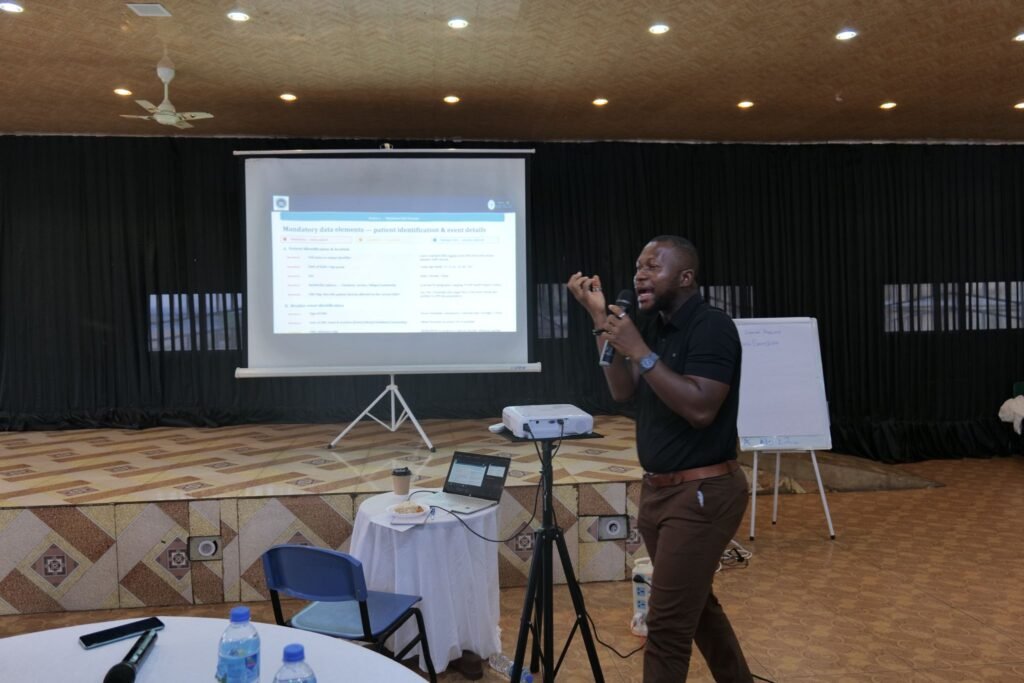
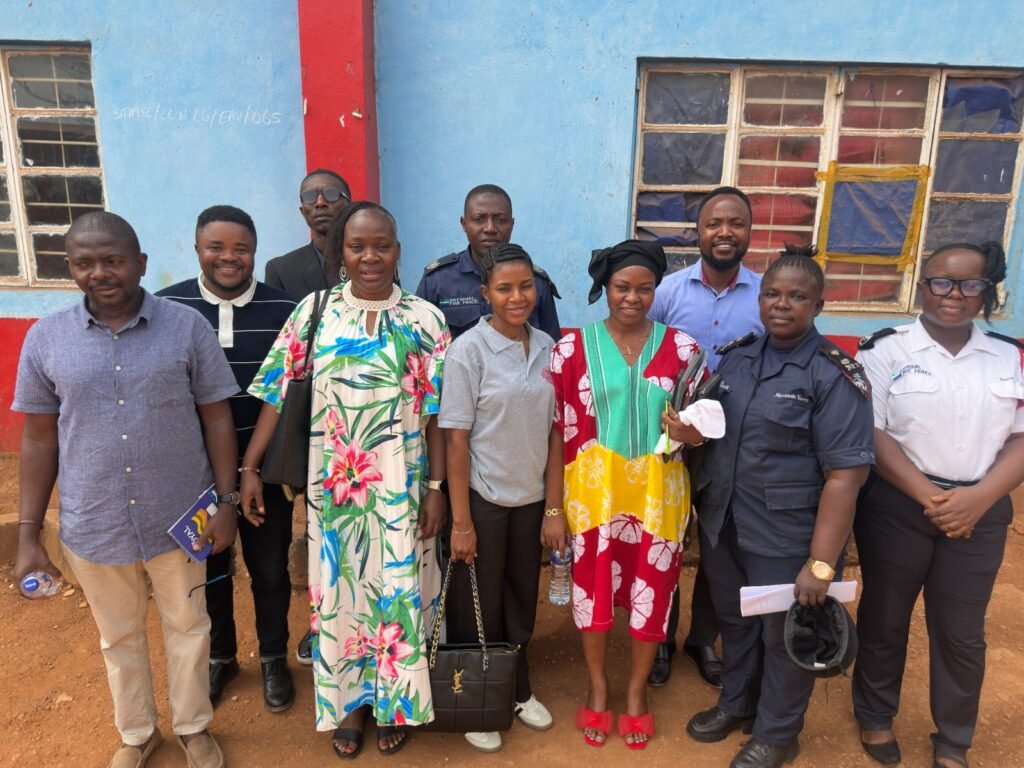
Consulting with stakeholders in Freetown Starting this February, the Urban SHADE team in Sierra Leone conducted meetings with various stakeholders to discuss the interventions of the project. The Urban SHADE Sierra Leone partners include Sierra Leone Urban Research Centre (SLURC), Institute of Gender and Children’s Health Research (IGCHR) and The Centre of Dialogue on Human Settlement and Poverty Alleviation (CODOSAPAH).  The teams engaged with institutions mostly government-based that work directly with climate risk management, disaster preparedness and health systems in Sierra Leone at national and city-level. The Urban SHADE team presented the findings of the project on how extreme weather affects people living in informal settlements, particularly their health. The Urban SHADE team will co-design interventions with communities and stakeholders to find interventions that are practical, scalable and sustainable.  The organisations the team met are: Sierra Leone Meteorological Agency (SL MET), National Disaster Management Agency (NDMA), Ministry of Health, National Public Health Agency (NPHA), District Health Management Team (DHMT), Freetown City Council (FCC), National Early warning and Response Mechanism Coordinating Centre (NEWRMC) and National Fire Force (NFF).  While the Urban SHADE team appealed to the stakeholders for their support in further activities, it also became increasingly clear that effective responses to climate-related health challenges require strong coordinated multi-sector collaboration. The Urban SHADE team is gearing up to form a Stakeholder Working Group which will include representatives of these stakeholders and will aim to coordinate effectively in the future.  The Urban SHADE team will share these research findings and proposed interventions with the three communities (Susan’s Bay, CKG, Moyiba) and seek suggestions from the community as well, and representatives and leaders from these communities will also be part of the Stakeholder Working Group. The Urban SHADE team will have workshops with the Stakeholder Working Group where the interventions can be co-designed, and particular roles and responsibilities of different stakeholders during extreme weather events (extreme rainfall and extreme heat) can be clarified. The team is currently in the process of formalising partnerships with these stakeholders through Memoranda of Understanding (MoUs). 

Blog, Uncategorized

Living with diabetes during extreme heat

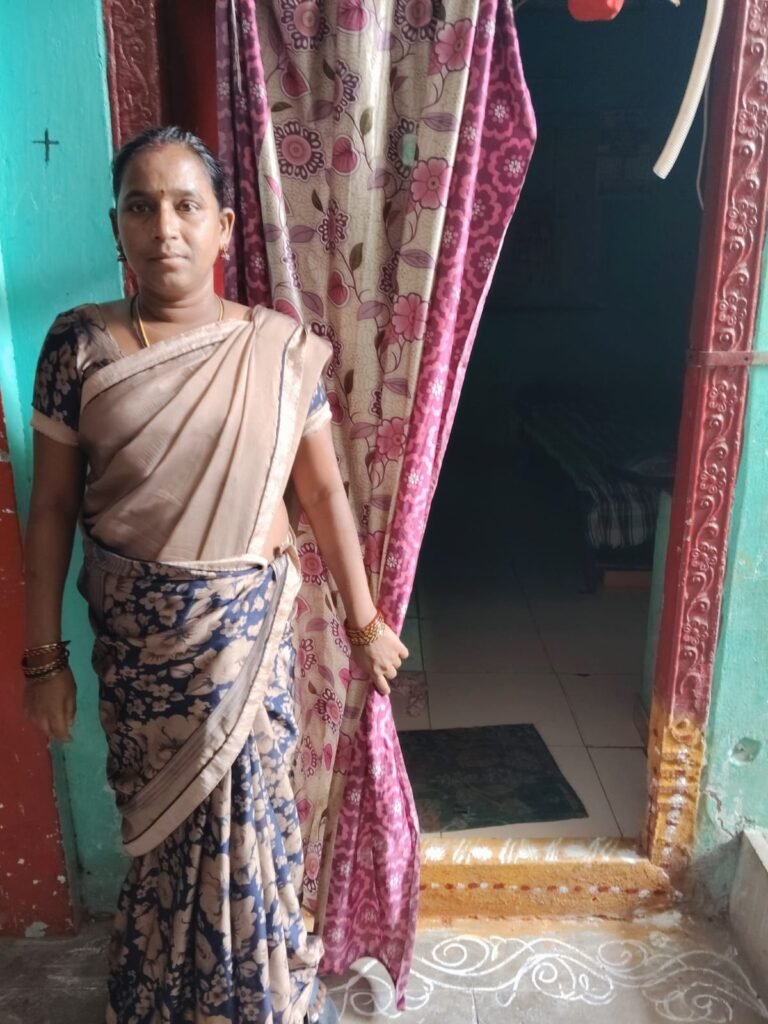
Living with diabetes during extreme heat Hemanth Chandu By 11:00 AM in the morning, 32-year-old Sandhya sits outside her home with her female neighbours sitting under the tree shade. The women chat and laugh, relieved to escape the March summer heat inside the house. Within hours of sunrise, their two-room flats in the government constructed apartment in New Rajarajeshwari Peta in Vijayawada feels like a pot on a stove. “Ee vadagaalpula valla intlo baaga aaviri vachesthundi. During this hot summer, the heat builds up in the house like steam. I find it difficult to breathe sometimes,” she says. But Sandhya, it’s more than just physical discomfort. She has diabetes and feels her condition worsen during the summer.  About 57 percent of Indian districts, home to 76 percent of the country’s population, are at high to very high heat risk, a 2025 study by Council on Energy, Environment and Water (CEEW) showed. Andhra Pradesh is one of the top most heat-prone states. Vijayawada and Guntur, where the Urban SHADE  project works, are at very high risk of heat risk. Extreme heat is known to exacerbate health risks of diabetics. 77 million adults live with type-II diabetes in India. Studies done from some countries have shown that higher temperatures are linked to diabetes related complications related to cardiovascular or renal ailments among others, increased hospital visits and mortality risk, as the body struggles to regulate itself under heat stress. For Sandhya and other residents of informal settlements, who are already more vulnerable to the effects of climate change, the additional burden of having diabetes poses further risk. Mounting health problems A couple years ago, Sandhya used to run a food cart cooking and selling breakfast items such as dosa and idli, when she met with an accident. Hot oil spilt on her leg, and refused to heal for a long time. She finally had to go to a private hospital in the city where the doctors had to remove one of her toes. The surgery cost her Rs 1.2 lakhs which was borrowed from an informal lender for 10 percent interest. She continues to have a persistent wound.  “Everyday I put on the glove and do the dressing of this wound myself,” she said. She was first detected with diabetes when she was pregnant with her second child more than a decade ago. She goes to the Primary Health Centre near her house every month, where her blood sugar levels are checked and she gets her medicines. The PHC staff with whom around 200 diabetics are registered informed us that the blood sugar levels among the diabetics rises above their usual levels during summer.  Diabetes tends to place individuals at greater risk for heat-related illness during heat waves and physical activity due to an impaired capacity to dissipate heat, which can have an impact on cardiovascular health and blood sugar control. Those who already have poor glycemic control and are affected by diabetes related complications are particularly vulnerable. “I follow everything the doctor says. I take the medicine and follow the diet. But my sugar levels are never/often not  in control,” she says. Because of her uncontrolled diabetes and the persistent wound on her leg, Sandhya had to give up working outside home.  No relief at home Staying home provides little comfort. Though it is sometimes perceived that homes can provide protection, in informal settlements such as RR Peta, the indoor temperature is often higher than outdoors, a 2022 study showed. The qualitative study, which had RR Peta as one of its study sites, was led by architects trying to understand how the community copes with heat, and its coping mechanism to deal with heat stress. For roughly 17.4% of urban population living in informal settlements, this heat stress is far more acute. Houses in informal settlements are rarely built with thermal comfort in mind, leaving residents with limited access to cooling, clean water and heat alerts. Government affordable housing schemes continue to overlook basic passive cooling measures such as cross ventilation and insulated roofing and adequate shading making indoor temperatures as dangerous as outdoors during a heatwave.The minimum standards for constructing government affordable housing such as RR Peta is extremely low in the Indian context. In the tiny apartment, Sandhya lives with her husband and five children. The eldest who is a construction worker has moved out and lives with relatives. Two of her other older children work as delivery gig workers, while the youngest two still go to school.  Even basic household work is difficult for her now. “Even if I am sweeping the house, I need to rest for 15 minutes,”she says.   During summer, her legs swell, and she often gets headaches and back pain. She says,“This house barely has any ventilation and I end up sweating continuously while working. I have to do all the household work in this heat and through pain. It is so frustrating.” During the 2024 floods in Vijayawada when RR Peta was affected, their washing machine, fridge, and air cooler got destroyed. During these floods, homes were submerged, families displaced to relief camps, and livelihoods disrupted.  The machines are now sitting in the house like fossils for want of repair, as the family cannot afford to repair them. Meanwhile Sandhya has to wash the six people’s clothes and cook fresh meals everyday while trying to cope with the heat. Financial precarity Since Sandhya gave up working outside, her family finances have become precarious. The household depends largely on her husband Srinivas’s income. He is an autodriver and earns around Rs 10,000 per month.  Srinavas too feels the heat acutely while working, but brushes it off saying, “It’s common for us.” He has seen his own customers, mostly elderly people  faint in his auto.  He has pain in his right hand, but has not been able to tend to it, because of the family finances. The doctor had recommended a surgery (costing Rs one lakh) and rest for two months.  This was not

Musings, Uncategorized

The Combermere nalla

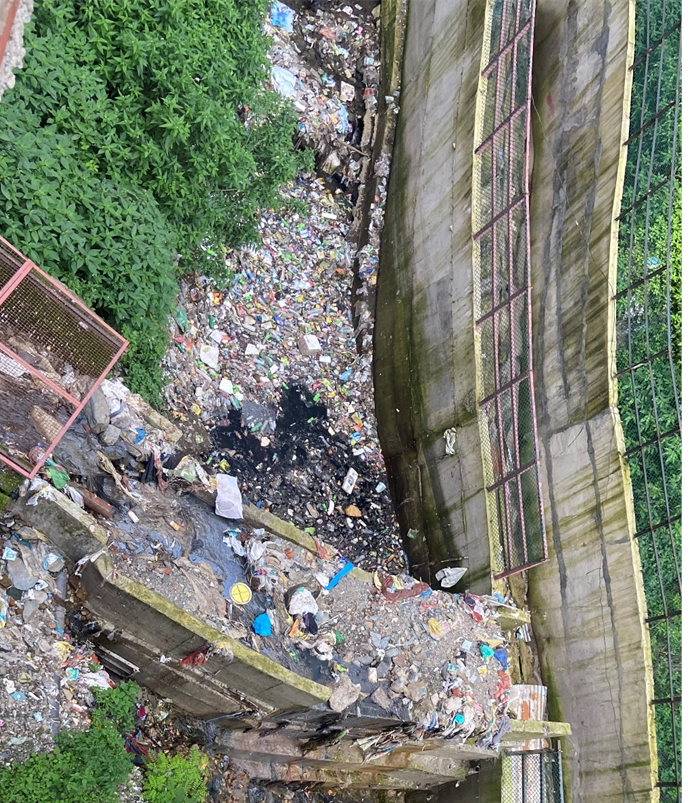
The Combermere naala Inayat Singh Kakar The Combermere naala is one of the five natural streams that flow down central part of Shimla city. These streams are natural drainage channels that carry excess water down the mountainsides. The Combermere naala originates mid-way on the Jakhu hill, making its way down the hillside to form the Eastern boundary of our field site, Krishna Nagar and ends at Lal Pani where taxi drivers use the water to wash their vehicles. Old pictures of Shimla city show the naala flowing down pristine hillsides. Now when you hear the gushing of the water, you see a channel choked with garbage. The water tumbles over the garbage, desperately makes its way down, slowly changing its path as it cuts through the hillside. As the naala reaches Krishnanagar it becomes even more choked with garbage. Krishnanagar’s residents whose houses are constructed along the naala describe it as a health and safety hazard. In the summer, the wet garbage cooks in the harsh sun and becomes a swampy breeding ground for flies and mosquitoes. In the rains, the water thunders down the hillside, gushing so loud that it keeps nearby residents awake from the anxiety of flooding. Ramu, whose house is built right next to the naala says that he is afraid it will one day sweep his house down with it. He says that infrastructure built by the Municipality has created choke points in the path of the naala, instead of towards the end of its course at Lal Pani (near where the 2023 landslide took place) where it could be cleaned regularly. Right now, the choke points which are inaccessible to human beings. The naala is built in a way that it gets obstructed, and damages the hillside where Krishnanagar is located, increasing risk of landslides. With a sigh, Ramu says that the story of the naala is emblematic of a cruel irony faced by the residents of Krishnanagar, home to the majority of city’s sanitation workforce.

Musings, Uncategorized

No future

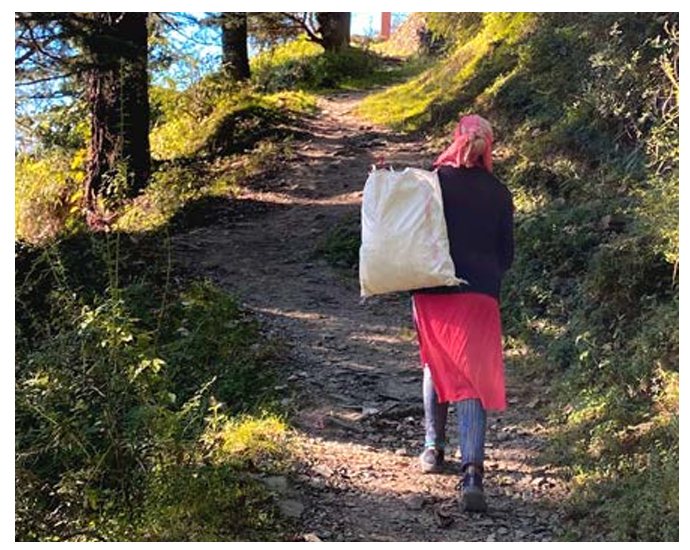
Menaka Rao Ashu waited for me outside the hotel. He is a skinny man, and was visibly uncomfortable standing in the lobby of the hotel. He insisted on meeting me in the hotel, and not in Krishna Nagar, where he lives. He says his father was a municipal waste worker. But he drank so much that the children could not go to school. Ashu dropped out of school in his 7th standard. He became a contractual waste picker after his father’s death.  “There is no future in this work, Madam,” he told me, shaking his head. He feels the futility of his job, while not being able to see a way out. “I just don’t want to go to work, especially during the monsoon. The waste which I carry on my back just gets right into my clothes and trickles down my body. There is dal, curry, all kinds of food,..,” he said, trailing off and making a face full of disgust. His school-going son asked him one day why he did waste work. “I felt very bad that day,”he said. During one monsoon, about ten years ago, his family had to leave the house, built by his grandfather, because it got dangerous. The floor of his house cracked further and further, threatening to collapse. “We kept thinking the floor would stop caving, but it kept getting worse,” he said. They now live in a rented premise, cutting into their meagre income. So when he fractured his leg this year because of an accident at work, he had to borrow nearly Rs 20,000. He was out of work for three months.  “There is no future in this work, madam,” is his only refrain.

Musings, Uncategorized

Bahari

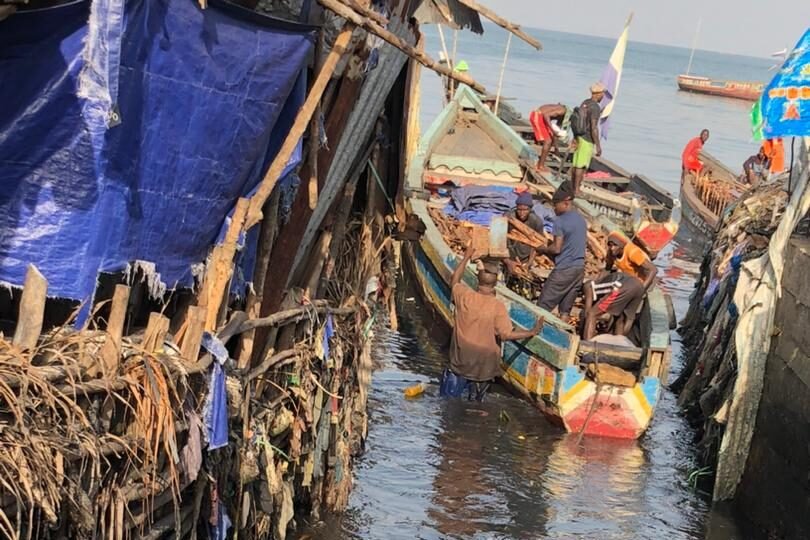
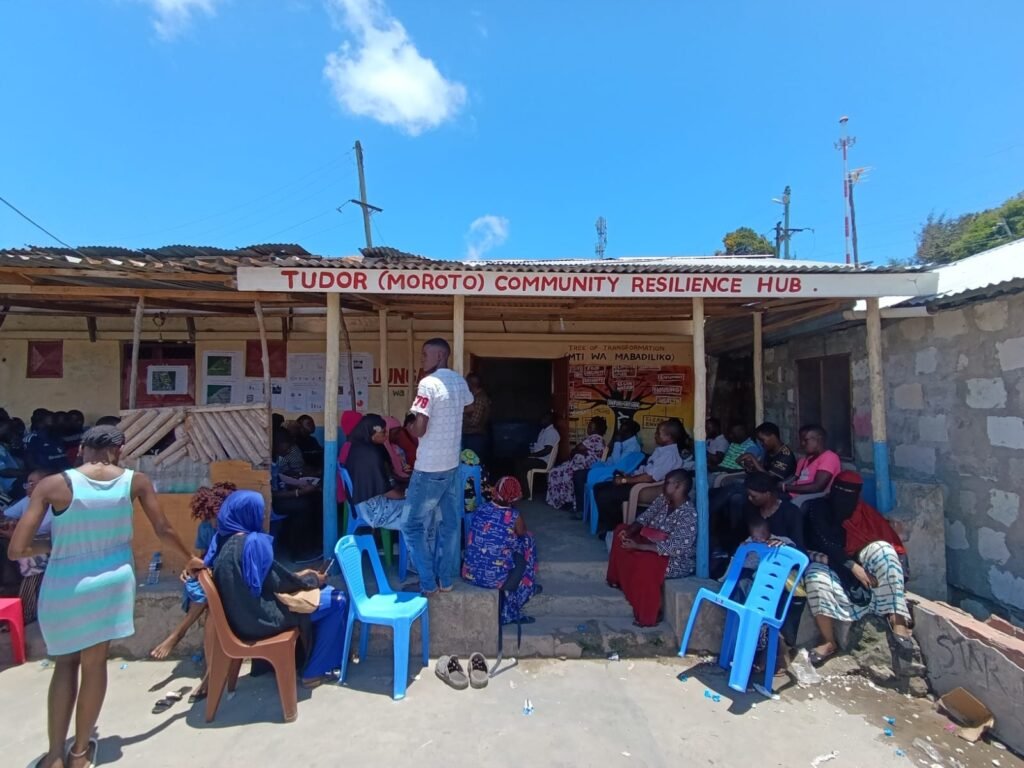
Bahari Bessie Sarowiwa She’s big, she’s blue, she’s bold. She’s Bahari. For many years Bahari gave life to many and offered refuge to many more in Tudor Moroto, like a mother. She’s watched us grow up and was always there when we needed her. We played with her when we were kids and learned to swim in her cool waters. She gave us a place to relax when the heat was unbearable. She provided food for us when our parents came back with nothing. She liked having us around and never complained. But not anymore. She has changed. She doesn’t seem happy these days and the glow that she once had is no longer there. The beautiful blue she once had is now more of a blue green. And the cool breeze she would give us when heat was unbearable is now just hot air and a stench. The food she shared with us has dwindled and it appears that all the fishermen catch now are plastic bags and used diapers. The places we would go to play with her are now places we warn visitors about because they never know what they may step on. All the people that relied on her for their basic needs are now struggling to even get through the day. It breaks my heart. How did we end up here? Bahari, did we do this to you? That’s what everyone is saying. That our actions are what made you this angry. We cut down the trees that fed you and kept you clean to build houses. You were nice to us but instead we paid you back with food and sewer waste. You’re now threatening to leave us.   Please don’t give up on us, Bahari. We’re trying to do better. We’re learning from our mistakes. It might be a little late but it’s the least we can do. 

Uncategorized

GUNTUR

Guntur Guntur, which lies next to Vijawayada, is also an old city with its municipality being established in 1866. It is famous for its chillies, attracting labourers from the state and outside state. In Guntur, the project will work in Sarada colony.  Sarada colony Sarada colony  is located in the north-western part of Guntur city, adjacent to a large swamp. Though people here claim to have lived here for at least two generations, they do not hold legal land titles. There is a looming threat of eviction at all times.  The people living here are mostly from Scheduled Caste/Dalit or Scheduled Tribe communities, most of whom identify as Christian. The community depends on a variety of informal and precarious jobs, earning about ₹200 to ₹300 per day. Men are mostly engaged in catering services on a daily wage basis, while women are involved in waste picking, hair selling, and home-based work like plucking chilli tips. Hair selling involves bartering some objects such as kitchen items for hair women shed, and then selling those to people who make extensions or wigs. This occupation, like many others this community engages in, becomes difficult during monsoons. Since work is seasonal, the people here also borrow money and often are in debt. Houses, which appear to be built by residents themselves, are packed in narrow lanes that allow at most a two-wheeler to pass through. Many houses have roofs made of tin or cement sheets, while others are semi pucca  structures, that is a combination of temporary and permanent materials, such as bricks with tin or cement sheets.  This area is subject to extreme heat waves and flooding. These houses provide little shelter from both these extreme weathers. During heavy rains, the entire stretch gets submerged in water up to knee level for sometimes up to five days. The lack of drainage systems keeps the water stagnant for days, increasing risk of mosquito-borne diseases and water-borne diseases. The tin sheets trap heat inside, making indoor conditions unbearable, especially for the elderly and children. While most households have individual toilets, the lack of a proper drainage system severely affects sanitation. The main sewage channel that runs parallel to the settlement overflows frequently during rains, leading to widespread flooding and waterlogging in the lanes. During such episodes, household and human waste enter the lanes and sometimes into homes, posing serious health risks. The absence of covered drains and stormwater channels exacerbates these problems. Garbage collection is irregular and often fails to cover the entire stretch. The waste, when not collected, accumulates in street corners or in the swamp, further polluting the environment. People also complain of mosquito infestation in the area. While most people have municipal water connections, the water supply is irregular. During the monsoon, the tap water is often contaminated. People here buy 20-liter cans of water at ₹10 each from private suppliers who claim to sell purified water. The cost adds up significantly, especially for larger families and during times of illness.  In 2023, there was an outbreak last year due alleged water contamination with more than 100 people from different parts of Guntur, including Sarada colony were rushed to the hospital with symptoms of diarrhoea, vomiting and fever. A young girl, barely 18 years old, from Sarada colony died in this outbreak. Some of the packaged-water producing units were closed down by municipal authorities as a result of the outbreak, claiming that they were unauthorised.  When people who live here fall sick, they first head to a local pharmacy and get medicines (even prescription medicines can be easily procured in local pharmacies in India). They also turn to RMPs, who are private allopathic providers that do not have a medical degree recognised by the state. The community members claim that these providers provide “quick relief” usually in the form of an injection, which according to them, provides fast recovery. Two years ago, a new Urban Primary Health Centre (UPHC) was established nearby. As awareness has grown, residents have started to visit the UPHC, and some staff reportedly provide referrals to higher-level public hospitals when necessary. Despite this progress, there remains a strong mistrust toward public hospitals, especially the Government General Hospital (GGH), Guntur. Residents complain about long waiting hours, poor staff behaviour, and the expectation of informal payments for services. These barriers discourage them from seeking formal care unless necessary.  Common health complaints in the settlement include musculoskeletal pain, especially knee and back pain, due to the nature of their work. Fevers are also common, particularly during monsoons, when stagnant water and poor drainage create breeding grounds for mosquitoes.

Uncategorized

Shimla

Shimla Shimla, the hill-top city, was the British Summer Capital. In the 19th to early 20th century, the upper slopes of the hill were developed for Imperial buildings, residences, and commercial centres. The lowest slopes of the hill settled Muslim and lower caste migrant people who worked for the city. It provided spaces for working class houses, godowns, cattle sheds, coolie quarters among others. Perched on a delicate ecosystem These areas now are at constant risk of environmental hazards such as floods, landslides and forest fires. Urban SHADE project will work on the biggest informal settlement in Shimla – Krishna Nagar- which grew during colonial times, and the relatively newer informal colony of Eidgah Mohalla in Ruldu Bhatta. Krishna Nagar Krishna Nagar is among the oldest settlements in Shimla, and was established during the British colonial rule. While the British elite built grand residences on the upper slopes of Shimla, the working class, mostly Muslim and lowered caste migrant people settled in the lower slopes of the hill or “Below Cart Road.” These persons who served the British empire were tailors, butchers, sweepers, coolies, blacksmiths, shoemakers etc. The area got a new name- Krishna Nagar after India got Independence in 1947.  The locality came up on construction debris, near the sewers and slaughter houses. The area got a new name- Krishna Nagar after India got Independence in 1947. Perched delicately on the steep lower slopes of Shimla, it is now at constant risk of hazards such as floods, landslides and forest fires. Many people here are from the lowered caste category. The residents here work in construction, casual labour, sanitation workers under municipal contract, tailor, shop assistant, small food vendor or kiosk operators. This colony has a famous Valmiki temple visited by hundreds during Valmiki Jayanti. Many families have been living for generations, but most of this area is still informal as most of the residents do not have formal papers for their houses, which are built on deemed forest land. The residents face constant threat of eviction and court orders directing demolition of unauthorised structures. Most of the houses are on encroached lands, and some families have rented houses. Despite the long history of this settlement, Krishna Nagar faces has not been planned and has poor services. It is a landslide prone area worsened by unregulated construction on fragile slopes and aged infrastructure. While many people have invested in building concrete houses, some houses are makeshift. Despite this, many houses have structural cracks, inadequate roofing and unsafe foundations. Some have even been declared unfit for habitation.  Krishna Nagar had a government Primary Health Centre (PHC). In 2013, the PHC collapsed during the landslide after extreme rains. The ward is now left with a small privately run dispensary known as  Gurudwara Singh Sabha dispensary. A building for a new PHC has been made, but the health facility is not operational yet. People with any health issue, big or small, usually end up going to Deen Dayal Upadhyaya Zonal Hospital (secondary level) or Indira Gandhi Medical College (tertiary level). Since they have to go to higher hospitals for smaller health issues, it results in overcrowding and long waits in the hospitals. These invariably result in loss of wages.  During health emergencies, when ambulances are called for, people have to climb steep slopes and stairs to reach the main road where ambulances can be parked. The pathways inside the colony are too narrow and steep, and can at most allow two wheelers in some parts. These narrow lanes, and insufficient turning radius make it impossible for fire tenders to Krishna Nagar’s areas.  There are no functional drainage or sanitation systems. Drains are open and get chocked during rains leading to contamination, and increasing the risk of waterborne and vector borne diseases. Many houses are built next to the old British-era nalah or drain. During the rains the drain water often flows into the house.  Residents complain that municipal workers do not clean their area, resulting in blocked drains.  Houses are built next to these open drains.  While many people have invested in building concrete houses, some houses are makeshift. Many houses have structural cracks, inadequate roofing and unsafe foundation, and have been declared unfit for habitation. Many houses here remain damp during the rains. People here complain of suffering from musculoskeletal pain, respiratory issues, and skin diseases.  Residents do not have piped water in many parts of the settlements. In some parts, people share toilets. While there is direct water supply in this area from the Municipality, the flow of water supply is intermittent.  The ward is prone to various hazards such as earthquake, landslide, land sinking, hailstorm, fire, public health risks/ diseases, road accidents, tree falling etc. In 2023, there was a major flood in Krishna Nagar, which felled a landmark Slaughter House in the area, along with several houses. This flood killed at least two persons from the locality. Some houses were destroyed and many people had to evacuate their homes permanently as they were precarious. Eidgah Colony, Ruldu Bhatta Ruldu Bhatta is the second largest “slum” in Shimla city, second to Krishnanagar. It is home to more than 6000 residents, and is close to popular tourist destinations such as Scandal Point. Eidgah colony is the biggest informal settlement in Ruldu Bhatta. The ward is elevated and has steep hairpin bends, making it difficult for vehicles to ply.  Some roads are broken and damaged making it difficult to even walk. Nearly 90 percent of people here live in interior lanes with poor accessibility to motorable roads. Emergency services and fire tenders find it difficult to enter Ruldu Bhatta. The colony has mostly migrant workers from other North Indian states such as Uttar Pradesh and Bihar. These workers are mostly informal or daily wage labourers, carpenters, welders, construction labourers,often seen walking in a line towards the main road in the mornings.  A significant number of houses in the area are built on unstable slopes. The construction of houses inside Eidgah

Uncategorized

Kilifi

Dhows in Kilifi creek. By Michelle Mergler, Wikipedia commons Kilifi is a coastal town, close to Mombasa. The town lies on Kilifi creek and sits on the estuary of Goshi river also known as Voi River. Half the population in this town are estimated to live in informal settlements.  Kilifi had a huge cashewnut  production as well as processing factory which shut down because of various reasons in the 1990s. Much of the migration to the city happened because of the cashewnut industry, which is getting revived slowly now. The informal settlements cater to many who migrated here for work. The Pwani university, which was established in 2007, also provides jobs for people here. Some others who live in informal settlements have small informal businesses or engage in small trade activities. Urban SHADE is working in the informal settlement of Mibuyu Saba. Mibuyu Saba Mibuyu Saba is located in Kilifi township and is close to the Indian Ocean. The settlement is a result of the earlier roaring cashew industry. Most people here have been settled here for decades, even though they do not have a title deed. The land belongs to Kilifi town council. Some houses here are still thatched, while some have iron sheets for roofs. There are some multi-family Swahili style houses with a compound and multiple houses. The houses though are structurally stronger than the ones in Mombasa’s informal settlements because of the use of stone, which is locally available, to build walls. The settlement is vulnerable to flooding, strong winds, and high temperature. There are threats of eviction, but a process of formalisation is underway. Because of its proximity to the university, there is growing interest by private developers to develop this land. The residents have been engaging in efforts to formalize their ownership since 1986 when they formed the Mibuyu Saba Squatter Formalisation Scheme. This scheme was approved in 2007 when some lanes were approved for building houses. However, the process has been stalled for various reasons at the moment. While toilets are relatively accessible, the settlement has no proper sewer system, and therefore there is no pathway for the water to drain, resulting in flooding during rains. Water supply and electricity is adequate, but subject to contamination due to poor drainage. A waterpoint in Mibuyu Saba around poor drainage.

Scroll to Top