Living with diabetes during extreme heat
Hemanth Chandu
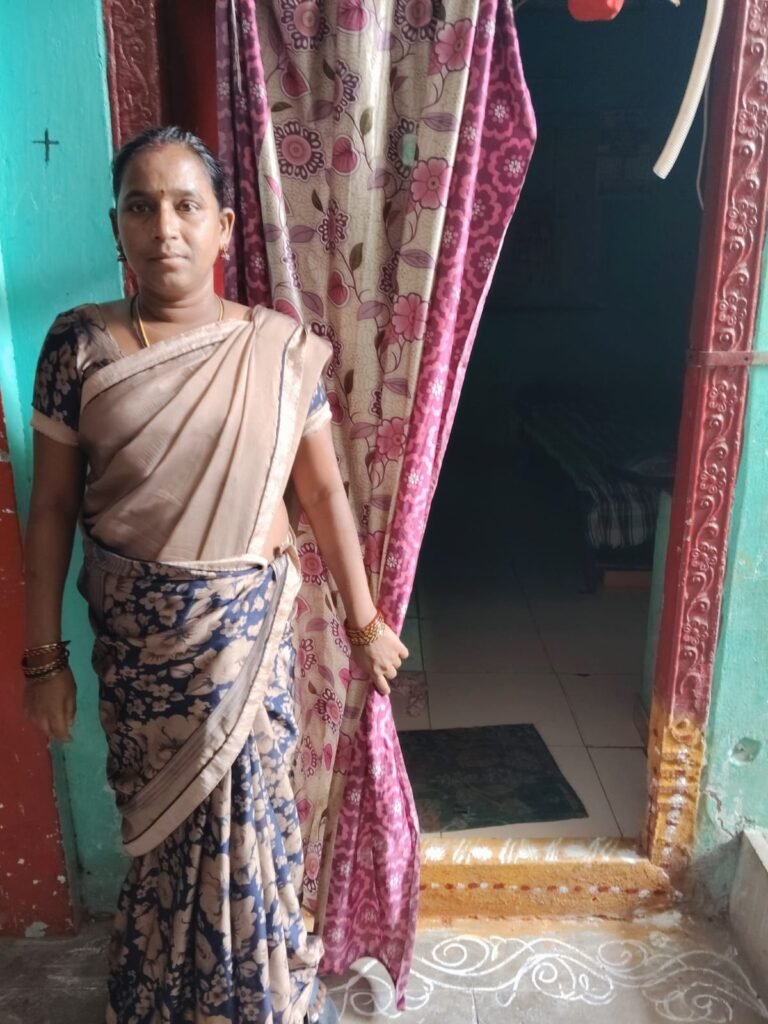
By 11:00 AM in the morning, 32-year-old Sandhya sits outside her home with her female neighbours sitting under the tree shade. The women chat and laugh, relieved to escape the March summer heat inside the house. Within hours of sunrise, their two-room flats in the government constructed apartment in New Rajarajeshwari Peta in Vijayawada feels like a pot on a stove.
“Ee vadagaalpula valla intlo baaga aaviri vachesthundi. During this hot summer, the heat builds up in the house like steam. I find it difficult to breathe sometimes,” she says.
But Sandhya, it’s more than just physical discomfort. She has diabetes and feels her condition worsen during the summer.
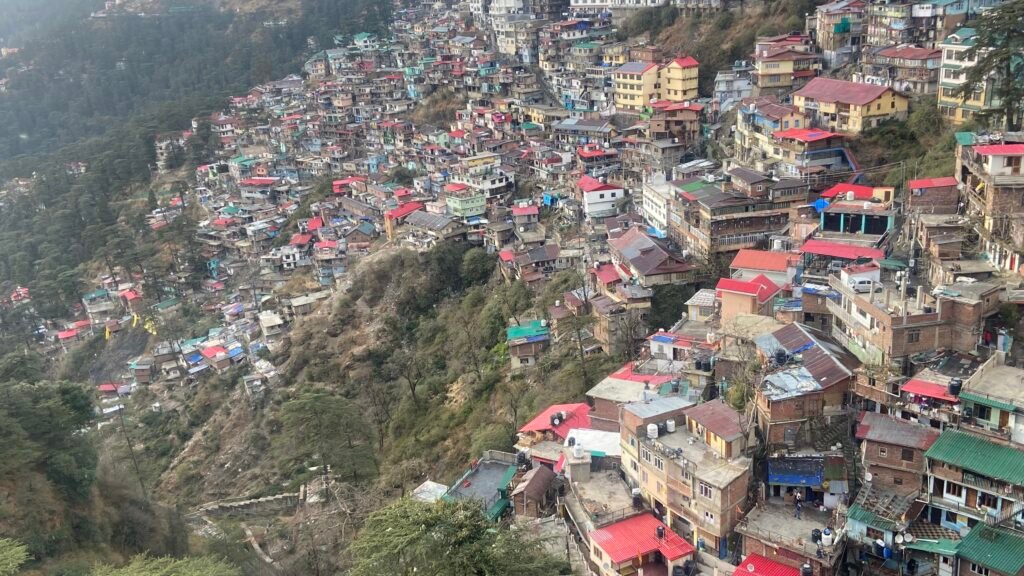
About 57 percent of Indian districts, home to 76 percent of the country’s population, are at high to very high heat risk, a 2025 study by Council on Energy, Environment and Water (CEEW) showed. Andhra Pradesh is one of the top most heat-prone states. Vijayawada and Guntur, where the Urban SHADE project works, are at very high risk of heat risk.
Extreme heat is known to exacerbate health risks of diabetics. 77 million adults live with type-II diabetes in India. Studies done from some countries have shown that higher temperatures are linked to diabetes related complications related to cardiovascular or renal ailments among others, increased hospital visits and mortality risk, as the body struggles to regulate itself under heat stress. For Sandhya and other residents of informal settlements, who are already more vulnerable to the effects of climate change, the additional burden of having diabetes poses further risk.
Mounting health problems
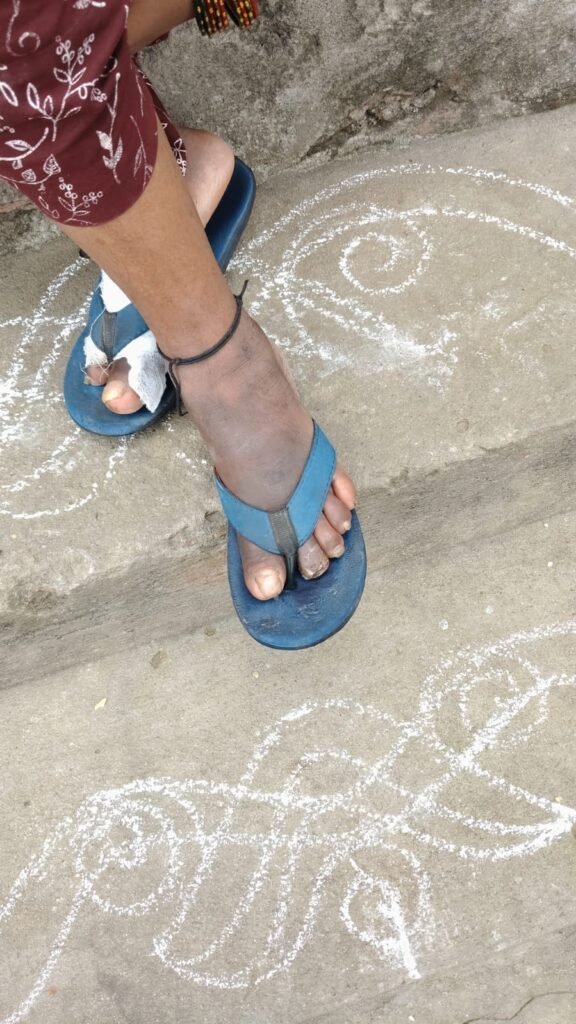
A couple years ago, Sandhya used to run a food cart cooking and selling breakfast items such as dosa and idli, when she met with an accident. Hot oil spilt on her leg, and refused to heal for a long time. She finally had to go to a private hospital in the city where the doctors had to remove one of her toes. The surgery cost her Rs 1.2 lakhs which was borrowed from an informal lender for 10 percent interest. She continues to have a persistent wound.
“Everyday I put on the glove and do the dressing of this wound myself,” she said.
She was first detected with diabetes when she was pregnant with her second child more than a decade ago. She goes to the Primary Health Centre near her house every month, where her blood sugar levels are checked and she gets her medicines. The PHC staff with whom around 200 diabetics are registered informed us that the blood sugar levels among the diabetics rises above their usual levels during summer.
Diabetes tends to place individuals at greater risk for heat-related illness during heat waves and physical activity due to an impaired capacity to dissipate heat, which can have an impact on cardiovascular health and blood sugar control. Those who already have poor glycemic control and are affected by diabetes related complications are particularly vulnerable.
“I follow everything the doctor says. I take the medicine and follow the diet. But my sugar levels are never/often not in control,” she says. Because of her uncontrolled diabetes and the persistent wound on her leg, Sandhya had to give up working outside home.
No relief at home
Staying home provides little comfort.
Though it is sometimes perceived that homes can provide protection, in informal settlements such as RR Peta, the indoor temperature is often higher than outdoors, a 2022 study showed. The qualitative study, which had RR Peta as one of its study sites, was led by architects trying to understand how the community copes with heat, and its coping mechanism to deal with heat stress.
For roughly 17.4% of urban population living in informal settlements, this heat stress is far more acute. Houses in informal settlements are rarely built with thermal comfort in mind, leaving residents with limited access to cooling, clean water and heat alerts. Government affordable housing schemes continue to overlook basic passive cooling measures such as cross ventilation and insulated roofing and adequate shading making indoor temperatures as dangerous as outdoors during a heatwave.The minimum standards for constructing government affordable housing such as RR Peta is extremely low in the Indian context.
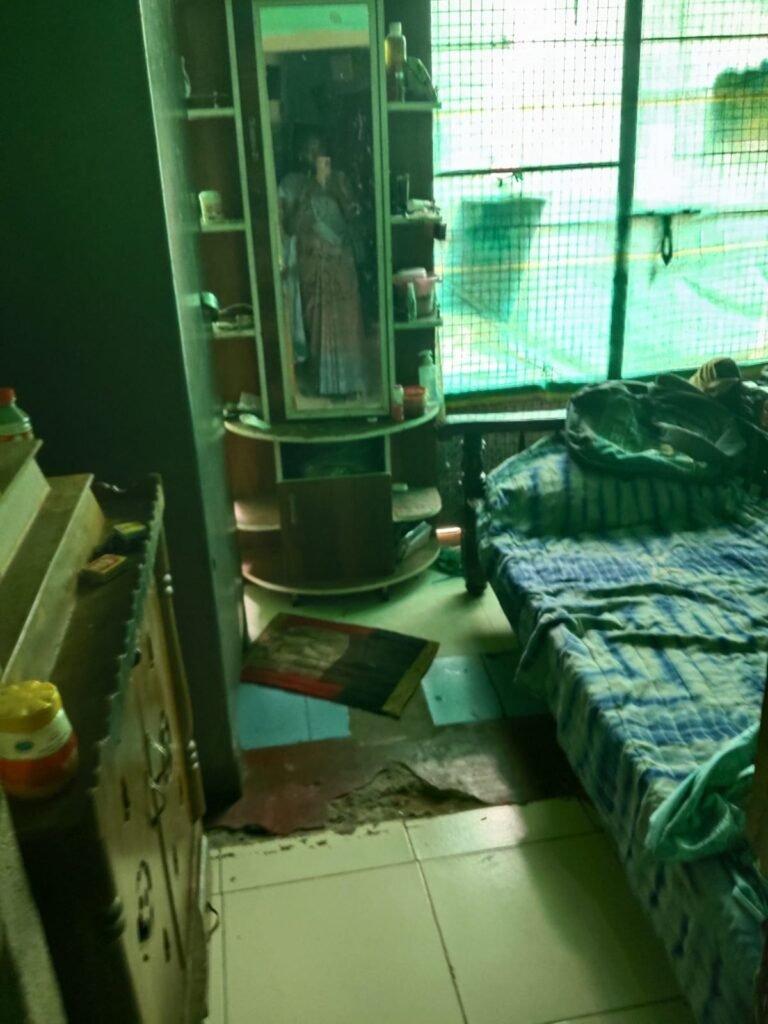
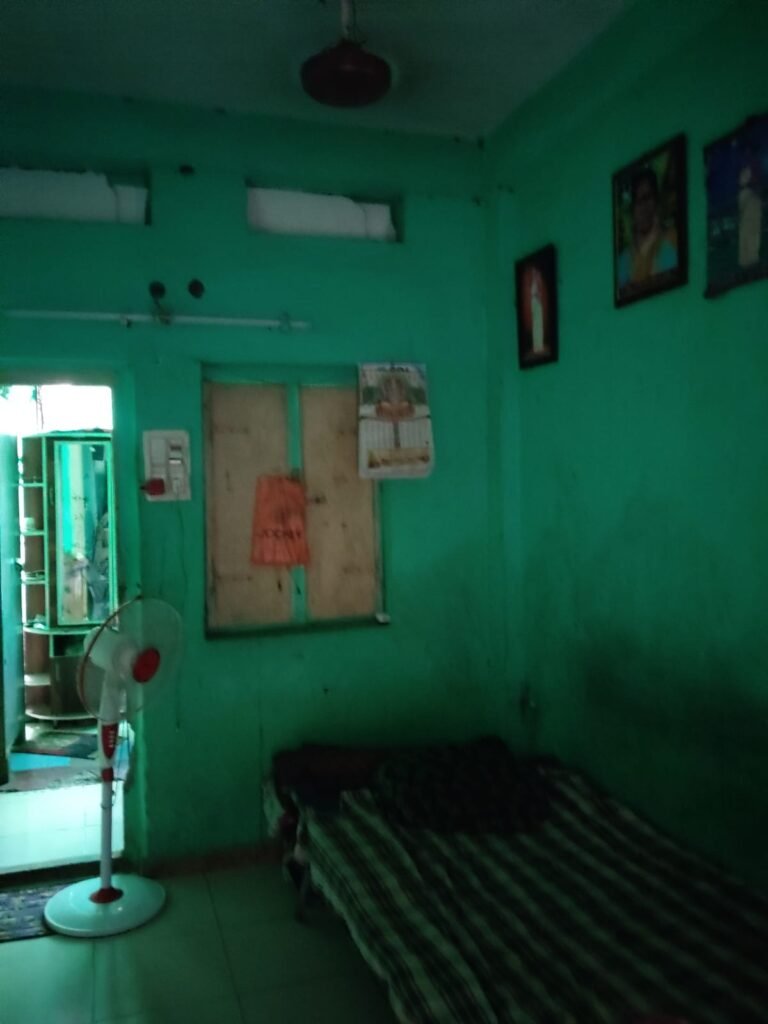
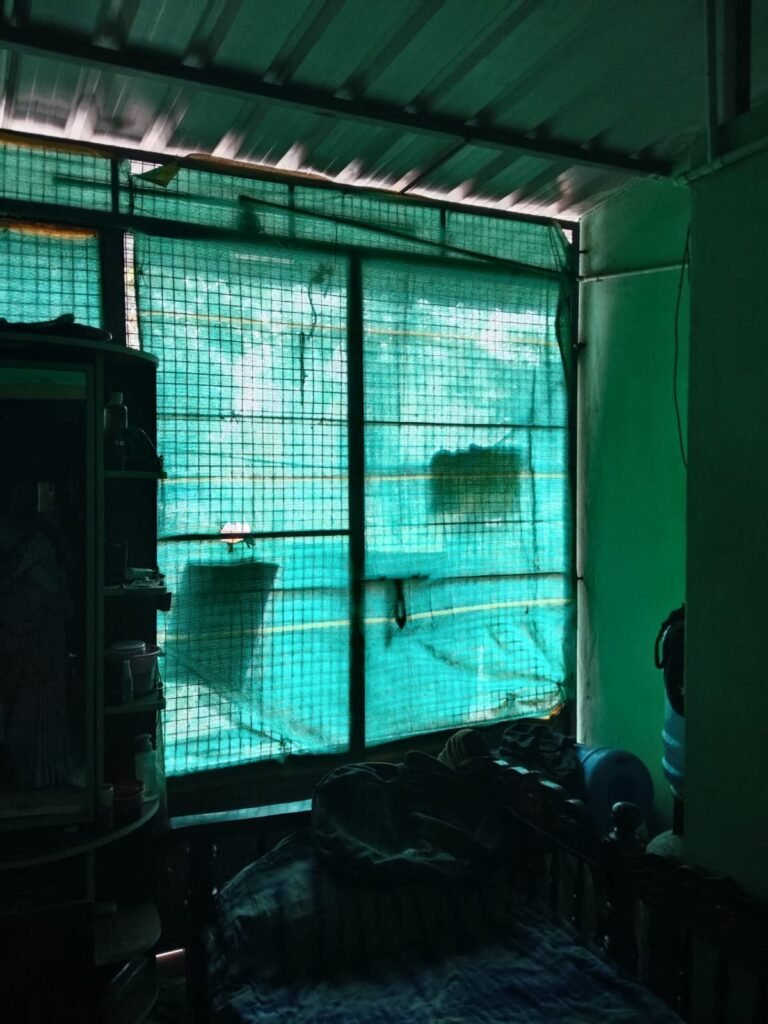
In the tiny apartment, Sandhya lives with her husband and five children. The eldest who is a construction worker has moved out and lives with relatives. Two of her other older children work as delivery gig workers, while the youngest two still go to school.
Even basic household work is difficult for her now. “Even if I am sweeping the house, I need to rest for 15 minutes,”she says.
During summer, her legs swell, and she often gets headaches and back pain. She says,“This house barely has any ventilation and I end up sweating continuously while working. I have to do all the household work in this heat and through pain. It is so frustrating.”
During the 2024 floods in Vijayawada when RR Peta was affected, their washing machine, fridge, and air cooler got destroyed. During these floods, homes were submerged, families displaced to relief camps, and livelihoods disrupted.
The machines are now sitting in the house like fossils for want of repair, as the family cannot afford to repair them. Meanwhile Sandhya has to wash the six people’s clothes and cook fresh meals everyday while trying to cope with the heat.
Financial precarity
Since Sandhya gave up working outside, her family finances have become precarious.
The household depends largely on her husband Srinivas’s income. He is an autodriver and earns around Rs 10,000 per month.
Srinavas too feels the heat acutely while working, but brushes it off saying, “It’s common for us.” He has seen his own customers, mostly elderly people faint in his auto.
He has pain in his right hand, but has not been able to tend to it, because of the family finances. The doctor had recommended a surgery (costing Rs one lakh) and rest for two months.
This was not an option for Srinivas. He says,“I cannot stop working for that long. With our financial situation, it is not possible. I will manage with the pain.”
His concern lies elsewhere. “I keep worrying about my wife’s health,” he says. “I can manage my situation. But she is a patient. I keep thinking about her.”
It’s the extreme heat which brings all these problems in the family into sharp focus. Sandhya worries about their financial situation, and feels anxious.
She said, “When summer starts, I feel this fear. My heart starts palpitating sometimes. What problems are waiting for me in these months? When will this end?”