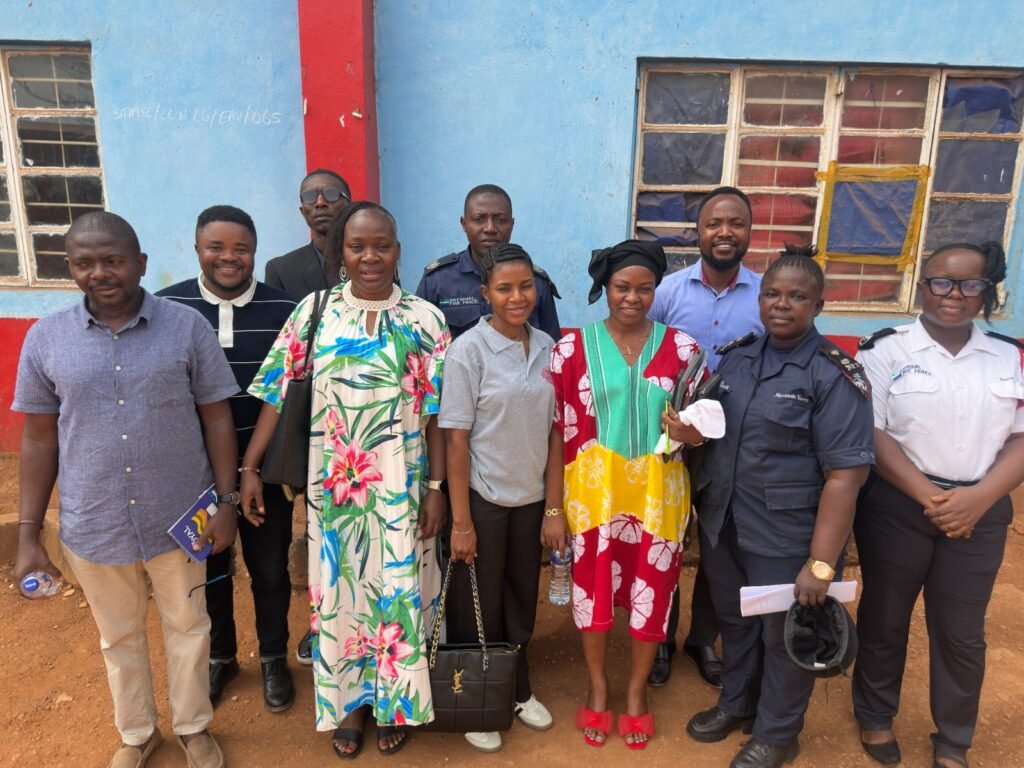
Consulting with stakeholders in Freetown
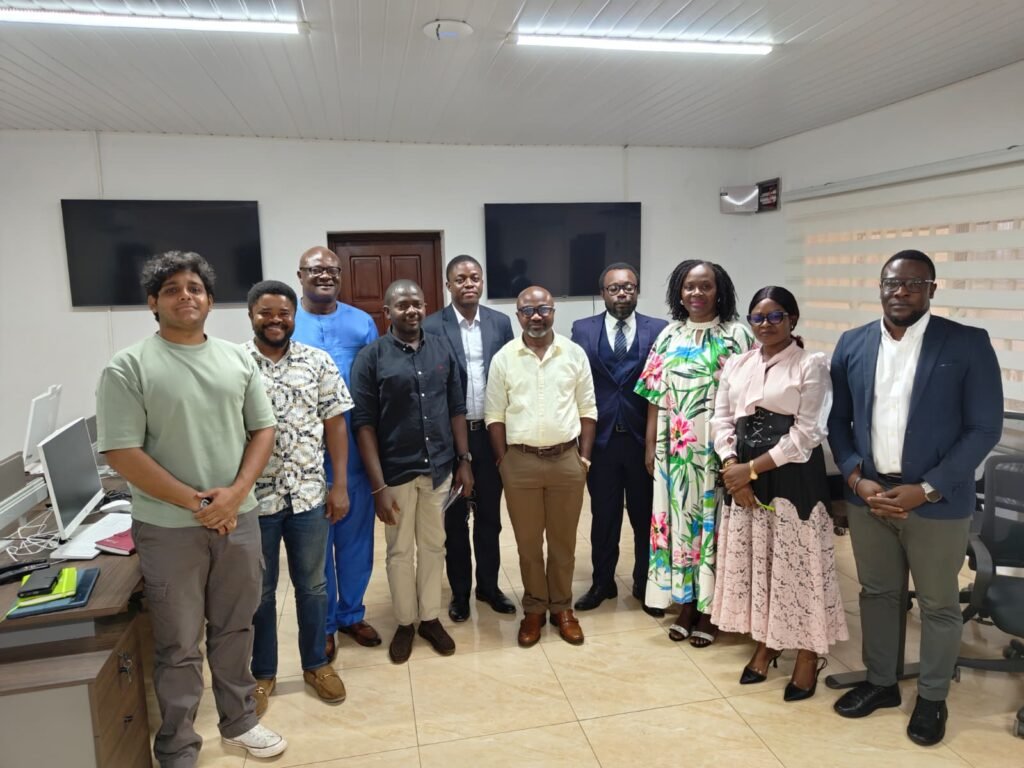
Starting this February, the Urban SHADE team in Sierra Leone conducted meetings with various stakeholders to discuss the interventions of the project. The Urban SHADE Sierra Leone partners include Sierra Leone Urban Research Centre (SLURC), Institute of Gender and Children’s Health Research (IGCHR) and The Centre of Dialogue on Human Settlement and Poverty Alleviation (CODOSAPAH).
The teams engaged with institutions mostly government-based that work directly with climate risk management, disaster preparedness and health systems in Sierra Leone at national and city-level. The Urban SHADE team presented the findings of the project on how extreme weather affects people living in informal settlements, particularly their health. The Urban SHADE team will co-design interventions with communities and stakeholders to find interventions that are practical, scalable and sustainable.
The organisations the team met are: Sierra Leone Meteorological Agency (SL MET), National Disaster Management Agency (NDMA), Ministry of Health, National Public Health Agency (NPHA), District Health Management Team (DHMT), Freetown City Council (FCC), National Early warning and Response Mechanism Coordinating Centre (NEWRMC) and National Fire Force (NFF).
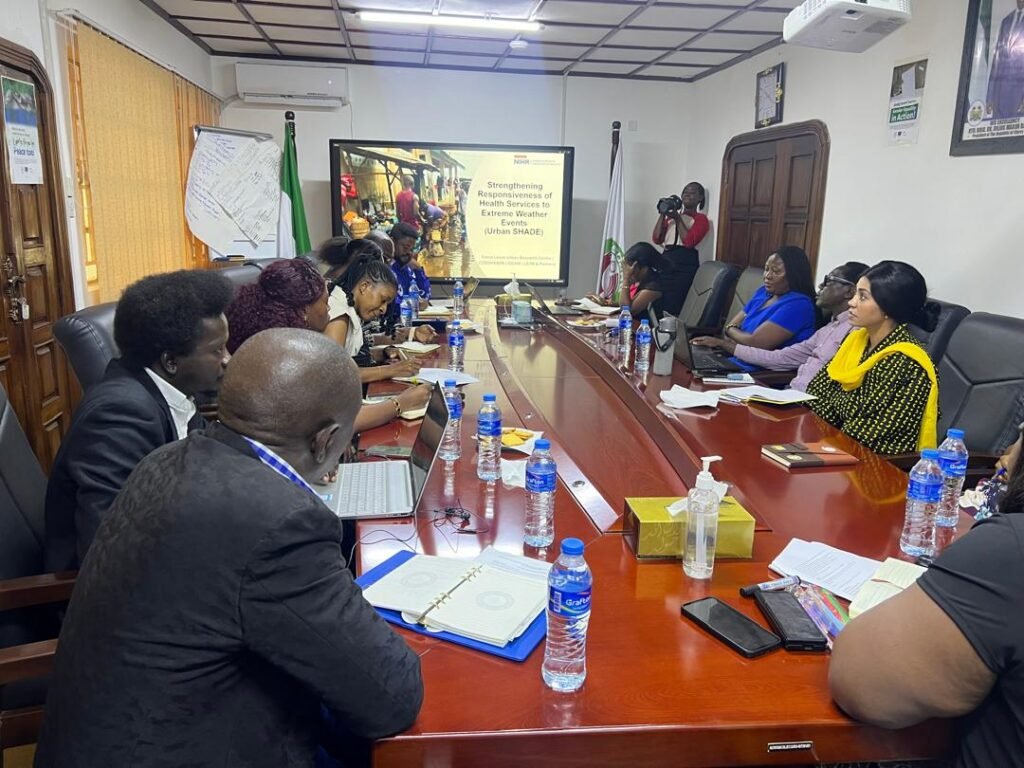
While the Urban SHADE team appealed to the stakeholders for their support in further activities, it also became increasingly clear that effective responses to climate-related health challenges require strong coordinated multi-sector collaboration. The Urban SHADE team is gearing up to form a Stakeholder Working Group which will include representatives of these stakeholders and will aim to coordinate effectively in the future.
The Urban SHADE team will share these research findings and proposed interventions with the three communities (Susan’s Bay, CKG, Moyiba) and seek suggestions from the community as well, and representatives and leaders from these communities will also be part of the Stakeholder Working Group.
The Urban SHADE team will have workshops with the Stakeholder Working Group where the interventions can be co-designed, and particular roles and responsibilities of different stakeholders during extreme weather events (extreme rainfall and extreme heat) can be clarified. The team is currently in the process of formalising partnerships with these stakeholders through Memoranda of Understanding (MoUs).