climate change

Musings

Nowhere to go

Nowhere to go Dr. Abu Conteh It’s 12pm on a bright beautiful Monday morning, and the sun is beginning to get ahead of me. I am visiting the Soja town section of the Moyiba community to talk to Sia, whose house was recently destroyed by a mudslide. Moyiba is one of the most deprived informal settlements in Freetown, which is also exposed to multiple hazards including mudslides. Sia is a single mother of three who makes a living from stone mining. As I ascend the over 600-meter-high hill, I couldn’t help but wonder how women in this rugged part of the community deal with climate hazards and access healthcare. In the past years, women in this section of the community have had to deliver babies by the side of the road as they couldn’t make it to the only government health clinic in time about 3 kilometers away. Transportation here is a challenge, as motor bike riders complain of rugged roads. As I arrive at Sia’s home, she greets me warmly and offers me a seat in her delipidated single bedroom mud house that was destroyed by a huge boulder (in 2025). The house is now a relic of the original two-bedroom house built by her husband who died two years ago. “The destruction of the house has changed my life so badly”, she said. She recounted her daily horrors of having to live in a leaking house or rebuilding it withher meagre income. “I can barely feed by children, let alone rebuild this house.” As I looked around, I could see that most houses here are built with mud bricks, which makesthem vulnerable to extreme weather events such as flooding and mudslide. Sia recounts she is not the only woman affected. ‘‘Last year, one woman lost two children because of a mudslide,” she said. While she feels the community is not safe, she is worried about having to leave a whole life behind that she has built for over a decade. ‘‘I have nowhere to go. We are not offered any help by the ‘’big ones.’ No one has helped me since my house got destroyed,” she said.

Musings, Uncategorized

Bahari

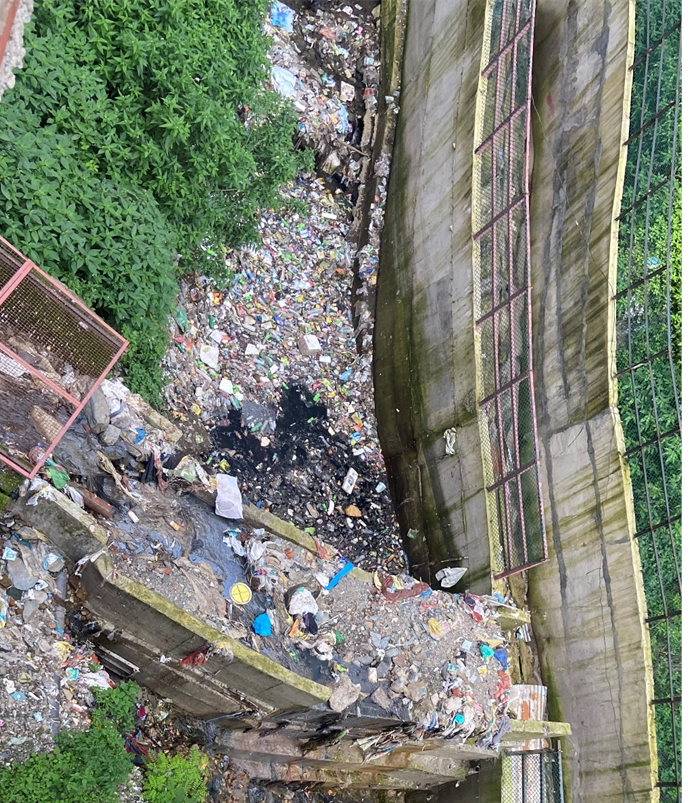
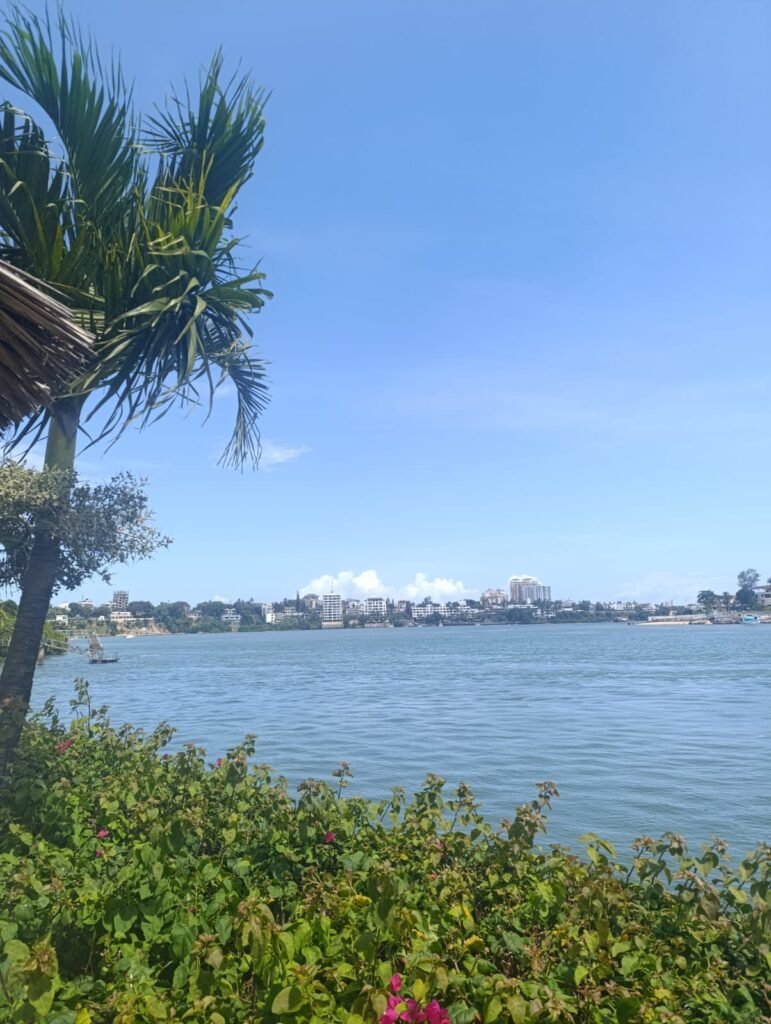
Bahari Bessie Sarowiwa She’s big, she’s blue, she’s bold. She’s Bahari. For many years Bahari gave life to many and offered refuge to many more in Tudor Moroto, like a mother. She’s watched us grow up and was always there when we needed her. We played with her when we were kids and learned to swim in her cool waters. She gave us a place to relax when the heat was unbearable. She provided food for us when our parents came back with nothing. She liked having us around and never complained. But not anymore. She has changed. She doesn’t seem happy these days and the glow that she once had is no longer there. The beautiful blue she once had is now more of a blue green. And the cool breeze she would give us when heat was unbearable is now just hot air and a stench. The food she shared with us has dwindled and it appears that all the fishermen catch now are plastic bags and used diapers. The places we would go to play with her are now places we warn visitors about because they never know what they may step on. All the people that relied on her for their basic needs are now struggling to even get through the day. It breaks my heart. How did we end up here? Bahari, did we do this to you? That’s what everyone is saying. That our actions are what made you this angry. We cut down the trees that fed you and kept you clean to build houses. You were nice to us but instead we paid you back with food and sewer waste. You’re now threatening to leave us.   Please don’t give up on us, Bahari. We’re trying to do better. We’re learning from our mistakes. It might be a little late but it’s the least we can do. 

Musings

Battered and bent, but still standing

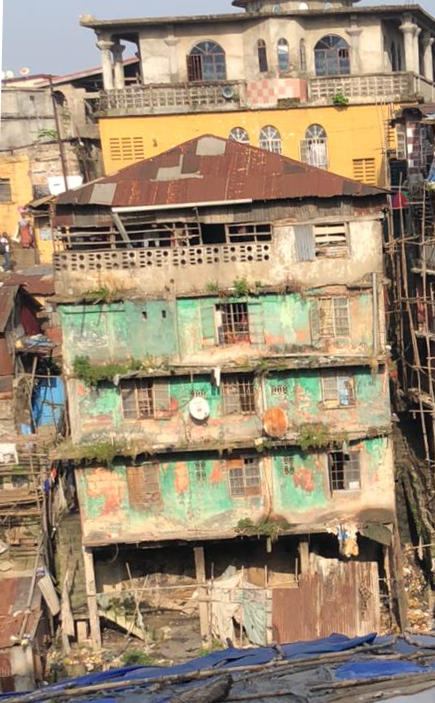
Battered and bent, but still standing Desta Ali Down the long, steep, steps of Susan’s Bay stands a tall, green five-storey building. It looks weathered and worn, but it stands stubbornly and quietly. During the day it is virtually empty, but I’m sure it houses more than hundred people at night. There is a lot of cracks in its concrete; its roof is made of rusted metal sheets. The building tells a story of time. Every time I look at it, I hear it say, “I have survived many floods, yet I am still standing. I am a survivor.” It almost makes me fall in love with it, because it reminds me of myself, standing tall in the midst of trials, keeping my head high, and trying very hard not to crumble. The glasses on the windows are broken, yet the bars are still holding on, almost as if fighting hard to maintain security. The top floor of the building is unpainted. That means it has been added recently to create more space for more people. The bottom floor is incomplete and wrapped with tarps and more rusted metal sheets. It was possibly built as a garage but is now being used as an accommodation for a desperate family. This tells a story of greed, because someone has decided that making money from rent is more important than the safety of people. I admire the building for all it has gone through and all that happens within its walls. But I also feel sorrow and dread. I know it’s only a matter of time before it crumbles. The land it is built on is a coastal land and not meant for buildings. I am sure its foundations were not made to carry that much weight. I always ponder how many more floods can it survive? How much more erosion can its foundations take? My only hope is that when that day arrives, it will happen during the day, when no one is home.

Blog

शिमला की बस्तियों में सर्वेक्षण करने का अनुभव

शिमला की बस्तियों में सर्वेक्षण करने का अनुभव साहिल कुमार 2021 में, मैंने अपनी ग्यारहवीं और बारहवीं लाल पानी स्कूल, कृष्णा नगर से की थी। मुझे मेरे घरवालों ने बताया था कि किसी के साथ काम से हटके बात नहीं करनी है, और किसी से लड़ाई झगड़ा नहीं करना है। घर के बड़े मानते हैं कि वहां लोग जल्दी लड़ाई झगड़े में उतर आते हैं, पर मेरे साथ स्कूल के दौरान कभी ऐसी कोई घटना नहीं हुई। सितंबर महीने में जब मैंने Urban SHADE प्रोजेक्ट में काम करना शुरू किया, तभी यही धारणा मेरे मन में थी। मेरी टीम का काम था कि घर-घर जाकर सर्वेक्षण करना। हम पूरे सात लोग ये काम पर लगे थे। इस प्रोजेक्ट में काम शुरू करने के बाद, कृष्णा नगर के लोगों और जगह के बारे में मेरी धारणा और अनुभव में आया बदलाव।  हमने Urban SHADE प्रोजेक्ट हिमाचल प्रदेश के शिमला की अनौपचारिक बस्तियों में घरेलू स्तर पर सर्वेक्षण से संबंधित आँकड़े एकत्र करना शुरू किया। हम दो बस्तियों – कृष्णा नगर और ईदगाह कॉलोनी – में काम कर रहे थे। घरेलू सर्वेक्षण का उद्‌देश्य अनौपचारिक बस्तियों में रहने वाले लोगों के स्वास्थय पर पड़ने वाले प्रभावोंऔर कमज़ोरियों को समझना है। साथ ही चरम मौसम की घटनाओं के दौरान और उसके बाद सार्वजनिक स्वास्थय सुविधाओंमें उपलब्धता को भी समझना  है।  यह मेरा पहला काम था। मेरा, शुरुआती अनुभव बिल्कुल ना के बराबर था लेकिन पहले ही दिन से नई चीजों को सिखने पर ध्यान दिया। जब पहले दिन हम अपने क्षेत्रों में पूरी टीम  के साथ गए तो हमने देखा कि कृष्णा नगर में रास्ते सीधे नही है और बहुत सी सीढ़ियाँ है। यहाँ पर लोगों के घर बहुत पास-पास है, और भारी बारिश के दौरान लोगों के घरो के जल निकासी की स्थिती बहुत खराब है। कृष्णा नगर के लोगों का कहना यही था कि बहुत से लोग आते-जाते है और सर्वे कर के चले जाते है। परंतु कोई हमारे लिए कुछ भी नहीं करता।  मैपिंग की समस्याएं हमें ट्रेनिंग के दौरान मैपिंग के बारे में बताया गया। सर्वे के पहले मैपिंग जरूरी थी ताकि कृष्णा नगर की भौगोलिक स्थिति के बारे में और घरों की स्थिति के बारे में अच्छे से पता चले।  दोनों क्षेत्र- कृष्णानगर और ईदगाह पहाड़ी क्षेत्र हैं,और रास्तों में उतार चढ़ाव बहुत है।  मेरे सीनियर्स और टीम मेंबर्स को भी कृष्णा नगर में मैपिंग के दौरान ऊपर नीचे चढ़के थकान का सामना करना पड़ा। हम सोच में पड़ गए कि यहाँ के लोग, विशेष रूप से बुज़ुर्ग लोग, कैसे रोज चलते फिरते होंगे। सर्वे के दौरान हमें बुज़ुर्ग बताते थे कि उन्हें नीचे से कार्ट रोड पहुँचने में बहुत समय  लगता है। बहुत से बुज़ुर्ग डंडा पकड़कर, बीच में बैठ-बैठ कर धीरे-धीरे ऊपर तक पहुँचते हैं। मैपिंग में मुझे कई जरूरी चीजों का ध्यान रखना पड़ता था। कोई घर छूट ना जाए। लोगो से रास्ते को पूछना या कौनसा घर किस से जुड़ा है। कृष्णानगर में पालतू और आवारा कुत्तों का डर बहुत ज्यादा था। हमें डर था कि ये आवारा कुत्ते हमें ही काट न दें। हम लोगों को पूछ कर ही गालियों में जाते थे। जिन घरों में पालतू कुत्ते होते थे वह उन्हें पकड़कर या बांधकर रखते थे। हमने सुरक्षित होकर मैपिंग का काम चालू रखा । मैपिंग में हमें एक ही गली में कई बार आना जाना पड़ता था। शुरुआत में थोड़ी थकान के साथ समय वाला काम लगता था। फिर मुझे इसकी आदत होने लगी। मैंने मैप के  चित्र का  ज्यादातर काम खुद ही किया है। मैप को पहले मोटे तौर पर बनाया और फिर उसे बड़े चार्ट में लैंडमार्क लिखकर तैयार किया।यह काम मुश्किल था क्योंकि  गलीयाँ कहीं न कहीं एक दूसरे से मिलती हैं। इस दौरान, मैं और मेरी टीम घंटों वाल्मीकि मंदिर में बैठकर काम करते थे। वहाँ का माहौल अच्छा था और लोगों को हमारे काम के बारे में जानने में दिलचस्पी थी। मुख्य घरेलू सर्वे की शुरुआत पायलटिंग के दौरान मेरी एक परिवार से बात हुई।  इन लोगों ने 2023 में स्लॉटर हाऊस के हादसे को अपनी आंखों से देखा। उन्होने अपने घर के साथ लगती नालियों और बुरी जल निकासी  (drainage) के बारे में बताया। उन्होंने बारिश के दौरान अपने घर को छोड़ने की स्थिती और अनुभव को मेरे साथ साझा किया।  एक और दुखी परिवार के अनुभव को भी मैने सुना था। उन्होनें कुछ साल पहले नया घर खरीदा था जो कि 2023 के स्लॉटर हाउस क लैंडस्लाइड (landslide)  हादसे में तबाह हो गया।आज उस परिवार को किराए के घर में अपना जीवन यापन करना पड़ रहा है। सर्वे के पहले दिनों में मेरा अनुभव ठीक रहा और लोगो से बात करके अच्छा लग रहा था। सर्वे के तीसरे दिन, जब मैं एक आदमी से सर्वे के सवाल पूछ रहा था, उन्होंने घर के संबंधित सवालों के बारे में बुरा मान लिया। उनका व्यवहार मेरे प्रति बहुत अच्छा था परंतु उनको सर्व के कुछ प्रश्नों से थोड़ी परेशानी थी। उन्होंने  सर्वे रोकने को कहा और उन्होंने मुझे डेटा टैबलेट से मिटाने को भी कहा। कुछ देर के लिए उन्होंने टैबलेट मेरे हाथ से लेकर उसमें कुछ देखने भी लगे। इसके बाद में हमारे टीम के सीनियर ने कृष्णा नगर के वाल्मीकी मंदिर वहाँ के निवासियों के साथ बैठक की । उन्होंने सर्वे के बारे में अच्छे से समझाया। इस बैठक से लोगों को समाधान मिला और सर्वे सामान्य तरीके से चल पड़ा। और उसके बाद वाल्मिकी सभा के लोगों ने हमें सर्वे के लिए और ज्याया प्रोत्साहित किया।  लोगों को दिक्कत व परेशानियाँ लोगो का मेरे प्रति व्यवहार अच्च्छा रहा। लोग जानकारी देने के लिए पूरा समय देते थे और अपने पूर्व प्रभावो को हमारे साथ साझा करते थे। लोग अपनी गंभीर बीमारियों के बारे में भी हमारे साथ जानकारी साझा करते थे। लोगों ने  बताया कि कार्ट रोड तक आने-जाने  से जोड़ों में दर्द होता है।यहाँ का नाला कूड़े से भरा रहता है, और जो लोग नाले के पास रहते हैं वे इससे ज्यादा परेशान रहते हैं। इससे वर्षा के मौसम में समस्या आती है और बीमारियाँ पैदा होती हैं। कृष्णानगर में ऐबुलेंस की सेवा भी ना के बराबर है। मौसम के कारण

Blog, India

Experiences of co-creating survey with communities facing climate health risks

Experiences of co-creating survey with communities facing climate health risks In late October 2025, the Urban SHADE project in India will start on data collection related to the household level survey in the informal settlements in Shimla in Himachal Pradesh, Vijayawada and Guntur in Andhra Pradesh. The household survey aims to understand health impacts and vulnerabilities of people living in informal settlements, as well as the extent of care available to them in public health facilities during and following extreme weather events. The Urban Shade Project, aims to strengthen  health services for people living in urban informal settlements, to respond to impacts of extreme weather events. The enumerators in both states underwent an extensive training programme in September, which covered the details about the project, ethics of data collection, mapping and use of survey software. The project has involved the community in every step of the way.  The design of the survey tool – Household Survey: Social and Health Vulnerability Assessment related to Extreme Weather Events– was led by a member of the research team, Malini Aisola with extensive inputs from research and field team members. The survey includes social demographic profiles of household members, access to utilities and infrastructure, access to health services, housing, past impact of extreme weather events, people’s perceptions, awareness and responses on extreme weather events. The survey will be conducted in informal settlements in Vijaywada-Guntur, and two informal settlements in Shimla. The two extreme weather events we are looking at in the project are extreme heat and extreme rainfall/flooding.Through the household survey, the team aims to generate context-specific data about a variety of indicators of social and health vulnerability, and provide insights about how they shape experiences of extreme weather events. For example, those living in the poor quality houses, and do informal work may feel the impact of extreme heat more.The survey would enable granular descriptions at the settlement-level of prevailing conditions that could inform government policies and local preparedness planning including provision of health services. Consulting the community on survey tool The Urban SHADE research teams had fortunately worked with some of the settlement sites in the project earlier in another project called Accountability for Informal Urban Equity (ARISE), an action research project focussing on health and wellbeing of sanitation workers. In some other communities, efforts were made to engage with the community in a meaningful way before data collection. In Eidgah colony, a public meeting was organised with support from key stakeholders including the Maulvi of the mosque, the ward councillor, community leaders, an official from National Health Mission and ASHA workers in the settlement.  Anmol Somanchi, a developmental economist and member of the research team in an advisory capacity, helped the team develop a conceptual framework for measuring vulnerabilities. After developing a basic draft with inputs from research and field team members, our team presented it to the members and stakeholders of the settlements in Vijayawada, Guntur and Shimla.  The workshops included residents, community leaders, elected officials, health workers, civil society members of these settlements we are studying in including Krishna Nagar, and Eidgah colony in Shimla, Vambay colony and New Raja Rajeswari Peta (also called RR Peta) in Vijaywada, and Sarada colony in Guntur. The one-day workshop was organised by the research team of Inayat Singh Kakar and Yetika Dolker in Shimla, and Pavani Pendyala and Hemanth Chandu in Vijayawada in May.  Apart from talking about the survey, key questions were read out and displayed in the workshop to the community members to discuss their relevance, the way they are worded, as well how the data could be relevant to the community for advocacy. Community members gave suggestions on improving the questions as options to click to elicit an appropriate answer.  Mahesh aka Shiva who lives in RR Peta gave suggestions to simplify the Telugu questions, making it closer to spoken language rather than very Sanskritised. “In the workshop, you  (Urban SHADE team) asked us whether we were able to understand the language or not, and modified the questionnaire based on the language we were able to understand,” said Mahesh.  The workshop helped the research team to overcome engagement challenges in one of the settlements in Andhra Pradesh who were unfamiliar with the research teams’ work and helped familiarise them with the research. These members helped facilitate community engagement for the researchers. Reena Chauhan, Accredited Social Health Activist or ASHA worker works with the community in Eidgah colony. ASHA workers work closely with the communities and link them up with services in the public health facilities. Asha workers used to conduct government-related surveys.  “For the first time, someone has asked us anything before conducting any kind of survey. Usually we are just asked about our targets related to our work in taking pregnant women for check ups or checking on newborns, or motivating tuberculosis patients to take their medicines,” said Reena Chauhan, ASHA worker in Shimla Taking feedback from the community is in line with participatory action research methodology which this project is committed to. It also adheres to the principle laid down in the Human Rights Approach to Data, that talks about including means for active, and meaningful participation of relevant stakeholders, especially the most marginalised population groups during the entire data collection process including planning before the survey roll outs.  Deciding boundaries of the settlement For the project and particularly for the survey, it was important to determine the boundaries of the settlement- what part of the settlement will be covered for the survey, and what will be left out. The boundaries then determine where the enumerators and researchers 1can move around and conduct the survey.  In Vijayawada and Guntur, there were some areas adjoining the informal settlements where the middle class families lived in visibly well-made houses. The project’s Vijayawada-based researcher, Hemanth Chandu sat with community persons, Madhavi, Kosamma, Mahesh and Shiva in RR Peta and Vambay Colony, Vijayawada and Akkamma and Shiva Parvati in Sarada Colony, Guntur. Of these, Madhavi and Shiva Parvati are community

Events, India

Enumerators workshop India

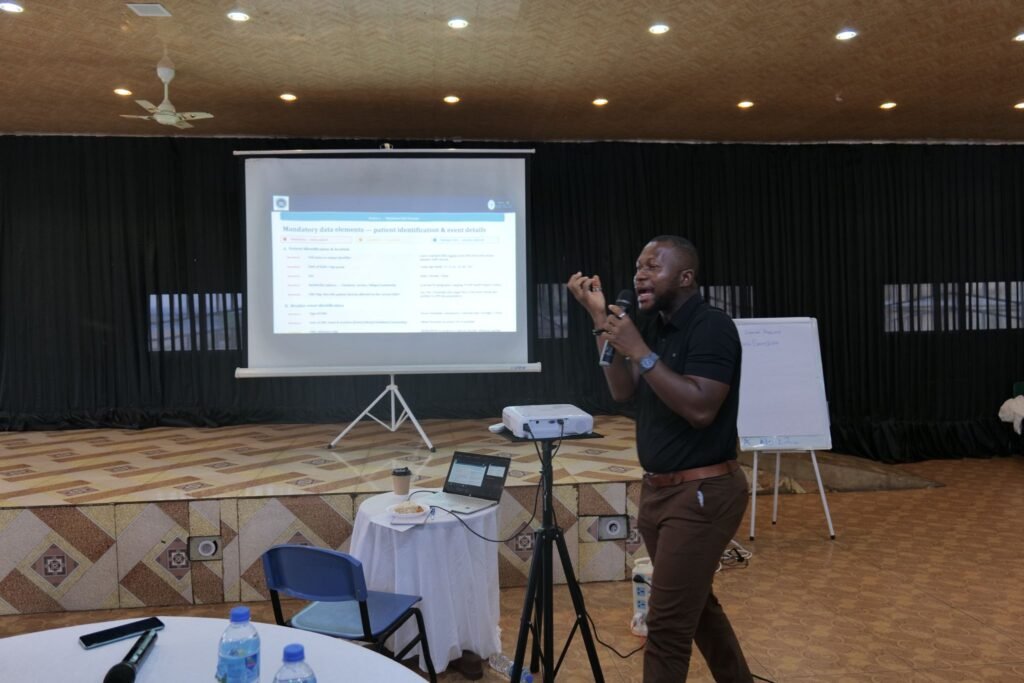
September 2025 Household Survey Enumerators workshop, India  The Urban SHADE project in India conducted a training of enumerators for conducting the Household Survey: Social and Health Vulnerability Assessment in September. The workshops were held first in Vijayawada and then Shimla in five-day spans between September 8, 2025, to September 22, 2025.  In both the workshops, the research team conducted a focus group discussion with the enumerators to get a pulse on their understanding and knowledge about the different informal settlements we are studying, impact of extreme weather events in such settlements among others. Many of the enumerators who had prior experience conducting surveys participated wholeheartedly on their understanding of extreme weather events, and the various challenges in conducting surveys in the field.  The research team including Hemanth Chandu, Malini Aisola, Inayat Kakar and Yetika Dolker explained to the enumerators about the Urban SHADE project and broadened their understanding of extreme weather events and how it affects people with different vulnerabilities especially the poor who live in informal settlements, disabled, or those with precarious jobs, or with chronic illnesses differently. Each section of the survey, and their questions were explained to the enumerators. The sessions covered Ethics related to data collection in great detail. It was emphasised that the data collection must be implemented consistent with the principles of the Human Rights Based-Approach to Data. The research team spoke about maintaining confidentiality and privacy of the people who will be asked questions from the questionnaire. The enumerators were made aware of the gender and cultural norms that could come to play while conducting the survey. The research team also highlighted that data collection should not lead to further discrimination among the already marginalised communities that the Urban SHADE project works with.  The interviewers were given detailed instructions on preparing for the survey, introducing themselves, obtaining consent, and taking a survey. The participants were given mock practice sessions where one of them played the respondent and other played the enumerator.  The situations included dealing with a busy mother who had no time, or a person concerned about the survey leaking information to the government. The situations which were designed to be tough helped the enumerators practice their skills in seeking consent and trying to convince people for a survey by being transparent and respectful. The role-playing activity broke the monotony of the typical workshop with presentations.  Balaji Rao Nemala gave hands-on training on how to map settlements where the survey is to be conducted. Nemala (photo below) who is the Project Manager with The George Institute, has handled trials all over India in both urban and rural settlements. Mapping literally means drawing a map of the settlement on paper. Nemala guided the enumerators in the field on how to map the structures in a way that they do not miss a single house. This exercise gets complicated in informal settlements, which barely have any straight paths. In Shimla this was compounded by the fact that the settlements are on hilltops which required a lot of physical labour of climbing up and down the hilltops. The enumerators covered the length and breadth of the settlements marking structures in each of the narrow lanes of the settlements. The people in the settlements who were curious about the exercise asked them about it, giving the enumerators a chance to explain the survey to them.  Bijini Bahuleyan, Data Manager withThe George Institute made the data base for the survey which is to be conducted in Telegu and Hindi. She also helped participants log on RedCap software which will be used for data collection in the survey, and trained them on how to use the software for data collection.  The survey is expected to begin in October. In Vijayawada and Guntur informal settlements (Vambay Colony, RR Peta and Sarada Colony), the survey will be conducted in Telegu. In the Shimla informal settlements (Krishna Nagar and Eidgah colony), the survey will be conducted in Hindi.

Blog, Sierra Leone

When Communities Map Themselves, Policymakers Start to Listen

When Communities Map Themselves, Policymakers Start to Listen Geographic Information System (GIS) is a computer system for capturing, storing, analysing and displaying data that are spatially referenced to the earth. GIS is used to create maps, analyse patterns and identity relationships. GIS is increasingly used as a tool to help map informal settlements with respect to utilities, waste management, roads, infrastructure, among others. Richard Bockerie is a seasoned data and software development professional with over a decade of experience in advanced data collection, management, analysis, and mapping, specializing in community-driven research and climate resilience projects. Holding a degree in Computer Science, he has effectively led mapping and training initiatives across multiple African countries. As Programme and Technical Manager at the Centre of Dialogue on Human Settlement and Poverty Alleviation (CODOHSAPA), the Sierra Leone affiliate of Slum Dwellers International (SDI), Richard leverages cutting-edge data platforms and GIS technology to provide actionable insights that underpin climate adaptation strategies and sustainable development policies. His work centers on delivering reliable, high-quality data critical for research on climate change impacts, urban planning, and community resilience. With expertise in monitoring and evaluation, system development, and business analytics, Richard empowers stakeholders to make evidence-based decisions that enhance environmental sustainability and socio-economic well-being in vulnerable populations. Through his role, Richard contributes to global efforts addressing climate change challenges by bridging technological innovation with grassroots knowledge, strengthening capacities for informed climate action in the most affected regions. Richard spoke to Menaka Rao, Urban SHADE’s Project Communication Officer. These are the excerpts of the interview. Menaka: How did you first start using GIS mapping in informal settlements? Richard: We began using GIS in 2015. At that time, I was responsible for analysing data of  a household survey. While quantitative data provided valuable insights, I realised it did not capture the full reality on the ground. We needed a way to represent the data spatially for a clearer picture. “Unlike traditional reports filled with graphs and tables, a map resonates with people because they can see and identify their own neighborhoods, homes, and places of work. This connection empowers them to participate actively in planning and decision-making.“ For example, if I say 50% of households lack access to water points, that’s useful. But it’s even more actionable when I can pinpoint which specific zones those households are in. Mapping the data allows us to identify areas with high and low access to services. Another instance is when community members report exposure to flooding, landslides, and other hazards—GIS lets us locate exactly where these risks exist. It became clear that quantitative and qualitative data alone couldn’t tell the entire story. GIS tools became essential in supporting our evidence and enabling evidence-based decision-making. Maps make the data more relatable and understandable for communities. Unlike traditional reports filled with graphs and tables, a map resonates with people because they can see and identify their own neighborhoods, homes, and places of work. This connection empowers them to participate actively in planning and decision-making. Menaka: What can GIS mapping do to help us understand informal settlements? Richard: GIS has huge potential to help us understand informal settlements because these places exist in physical space. When we talk about land rights, access to services, or building infrastructure, we need to show exactly what is in that space—who owns what land, the size of the community, the number of buildings, and common risks like flooding or landslides. For example, if we want to help communities get land ownership, we need to clearly map the area so people can have official documents and title deeds for their land. That’s where GIS helps. GIS mapping also lets us see who has access to services and who doesn’t. I worked on a project in Freetown with the University of Chicago where we mapped the whole city’s access to essential services using the K block analysis. We found that areas closer to roads had better service than those without road access. This data helped city officials realise the problem. Because of this, the city started a project to build roads in Kroobay, a settlement in Freetown, which has made it easier to bring services to people there. So, GIS gives us clear evidence of challenges and opportunities, and when we show this to city leaders and government, they are more likely to take action. Menaka: You conduct GIS exercises with community researchers.  Can you help us understand with examples how GIS helps community members understand their own locality better? What insights do they get when they do this exercise? Richard: In participatory GIS, community members create maps of their settlement themselves, instead of outsiders doing the mapping for them. This process helps them understand their community deeply. For example, we take drone images, print them, and bring them to the community. We first explain the images and then ask them to mark important places on the map. They mark where they live, work, and parts of the settlement prone to hazards like flooding. In one exercise, we asked them to show where they dispose of waste and then identify flooding areas. They clearly saw the link between waste disposal and flooding. This helps them realize how daily actions affect everyone in the community. Menaka: Can you also give me an example about how the understanding about a particular settlement has changed after the use of GIS and how it can help identify issues that can be worked on by policy makers and other stakeholders.  Richard: And I’ll give you an example of one of Moyiba in Freetown, where the Urban SHADE project is working. When we started doing the GIS mapping, we understood that whenever it rains, the access to the committee is completely cut off because of the road network. You can’t access health facilities or any emergency services. Moyiba is a hillside settlement. We were able to draw the conclusion that the rain comes from top and slopes downwards. We could tell the community that we need to pave

Blog, Kenya

Access to clinics during floods in Matopeni

Can You Reach a Clinic When It Floods?  Jane Njoroge It was 8 a.m. It was heavily raining in Mombasa’s Matopeni settlement. A young woman who has a walking disability had shida za mafua or chest complications in  Kiswahili. She needed to see a doctor soon. But, it was impossible to use crutches in almost knee deep water. Her mother and brother had to carry her out of the house to go to the doctor. There were no ambulances, or bridges.  During Mombasa’s rains, people living in its informal settlements have to brave the water, and the storm to reach any healthcare institution. They inevitably put off medical care because of the rains, and are often stranded and cut off from life-saving care.  This woman spoke to me and my colleagues from Slum Dwellers International-Kenya (SDI-Kenya) during a Focus Group Discussion in the Urban Shade project where we are trying to understand access to healthcare during events like these in four coastal settlements in Mombasa, and Kilifi counties, including Matopeni.  Matopeni settlement is located near the Kongowea market, perhaps the  biggest market within Mombasa Island, where people mostly work. The settlement is on land owned by the local Municipal Council, with private players staking claim to it. During the April-May qualitative data collection, it was raining heavily. It emerged in our discussions that this lack of functional infrastructure exposes the residents of Matopeni to climate-related disasters. This limits their accessibility to healthcare facilities, with pathways impassable. The focus group discussions with various stakeholders revealed that this challenge is harder felt by vulnerable populations within the locality. Children, especially pre-primary children cannot cross these flooded pathways due to the high possibility of being carried away by the force of flash floods.  As one resident put it, “During heavy downpour, the same pathways we use to access healthcare facilities are the same pathways used by water.” Matopeni during floods. Photo Credit: Muungano wa Wanavijiji, Matopeni. The disabled woman mentioned earlier said that her house tends to flood during heavy rains. As a result, she often catches flu and other ailments, and needs to see a doctor in her neighbourhood clinic. The adjacent pathways to her house are uneven and flooded, forcing her to rely on her mother and brother to carry her to the hospital. She said, “Flooded pathways are hard to navigate. I have to depend on my family to take me to the health facility. It is very hard to use crutches during flooding since the roads are covered by water, making visibility difficult, since the roads are not even and have potholes.” Uneven pathways that are not disability-friendly. The situation is further worsened when they become flooded, worsening visibility.  It’s not just residents who can’t reach clinics, sometimes, healthcare providers themselves are unable to report to work due to damaged infrastructure, effectively shutting down essential services when they’re needed most.  One respondent said, “When it rains heavily in the settlement, Kongowea dispensary also gets flooded. It is located on a flood plain. Sometimes even the medicines are carried away by the water. The government does not seem to bother, and nothing seems to change.” Kongowea Dispensary  Health consequences are felt by the community during and after flooding. For instance, stagnant floodwater becomes breeding ground for mosquitoes, increasing the spread of malaria and other waterborne diseases.   Stagnant water which act as breeding grounds Delays in treatment and care often lead to deteriorated health outcomes for the affected community members, especially for the most vulnerable groups. The community often crowdsources funds to arrange for a vehicle to take people who need urgent medical care, especially the elderly, disabled persons and people with underlying conditions to Tudor Sub County hospital. While this is heartwarming, it is neither always feasible or sustainable as a solution. There is a need to change this current situation in our informal settlements. The communities voiced thoughtful solutions during our focus group discussions. One such recommendation is the introduction of mobile clinics closer to the community to reduce accessibility time. At the moment, the communities have to travel for long distances, 3-5 kilometers, to get crucial and quality healthcare service. Transport to access this service has financial implications.  There is a need for some major infrastructural changes in the community, especially in relation to the drainage system. An effective drainage system, and regular sanitation work to unclog waste can ensure more accessible pathways even during heavy rains. Flooded pathways and common areas in Matopeni Some of these problems can be taken care of by the community. A government initiative- National Hygiene Program dubbed Kazi Mtaani, a social protection programme that employs youth to help in clean up programmes in these settlements. The initiative started during 2020 in the thick of the COVID-19 pandemic in response to its major economic impact, especially on vulnerable communities. It is designed to help the youth living in informal settlements by providing them labour-intensive work for daily wages that can help create public goods for the community they live in including clearing garbage and opening clogged drains etc.  A youth community member, actively involved in Kazi Mtaani scheme, said, “I have worked in that area during the Kazi Mtaani programme. I suggest an initiative to the youth to start collecting wastes at 20 shillings per household.” Policymakers, urban planners, non profits and communities need to connect climate change with health-related impacts, and prioritise inclusive, climate-resilient urban planning that ensures everyone, regardless of where they live, can access essential services, even during disasters. Infrastructure is not just about concrete and roads. It is about dignity, safety, and survival. No one should suffer life-altering health complications simply because they can’t reach help when it rains. Jane Njorage is an intern in the research department at SDI Kenya, and is currently pursuing Masters in GIS and Remote Sensing

Scroll to Top