Author name: ikakar@georgeinstitute.org.in

Musings

Battered and bent, but still standing

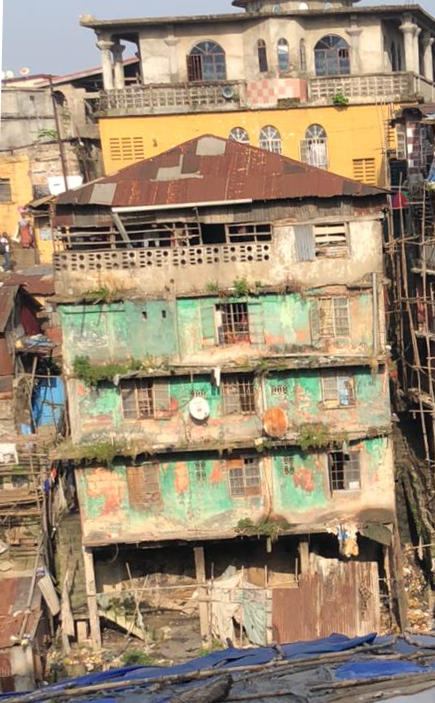
Battered and bent, but still standing Desta Ali Down the long, steep, steps of Susan’s Bay stands a tall, green five-storey building. It looks weathered and worn, but it stands stubbornly and quietly. During the day it is virtually empty, but I’m sure it houses more than hundred people at night. There is a lot of cracks in its concrete; its roof is made of rusted metal sheets. The building tells a story of time. Every time I look at it, I hear it say, “I have survived many floods, yet I am still standing. I am a survivor.” It almost makes me fall in love with it, because it reminds me of myself, standing tall in the midst of trials, keeping my head high, and trying very hard not to crumble. The glasses on the windows are broken, yet the bars are still holding on, almost as if fighting hard to maintain security. The top floor of the building is unpainted. That means it has been added recently to create more space for more people. The bottom floor is incomplete and wrapped with tarps and more rusted metal sheets. It was possibly built as a garage but is now being used as an accommodation for a desperate family. This tells a story of greed, because someone has decided that making money from rent is more important than the safety of people. I admire the building for all it has gone through and all that happens within its walls. But I also feel sorrow and dread. I know it’s only a matter of time before it crumbles. The land it is built on is a coastal land and not meant for buildings. I am sure its foundations were not made to carry that much weight. I always ponder how many more floods can it survive? How much more erosion can its foundations take? My only hope is that when that day arrives, it will happen during the day, when no one is home.

Blog

शिमला की बस्तियों में सर्वेक्षण करने का अनुभव

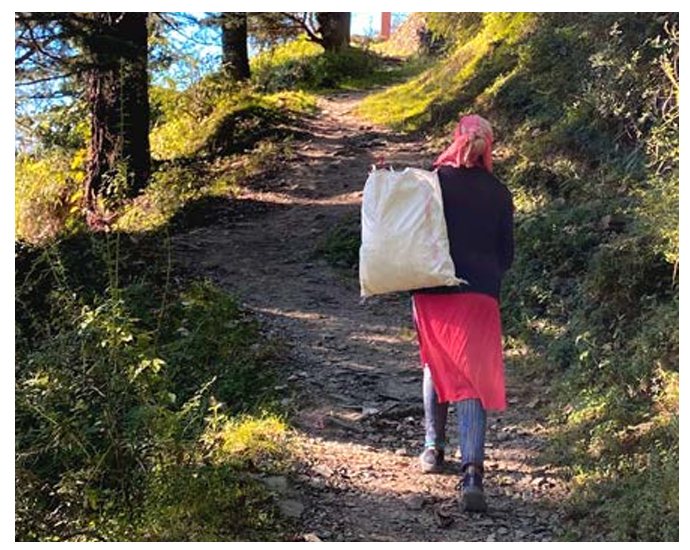
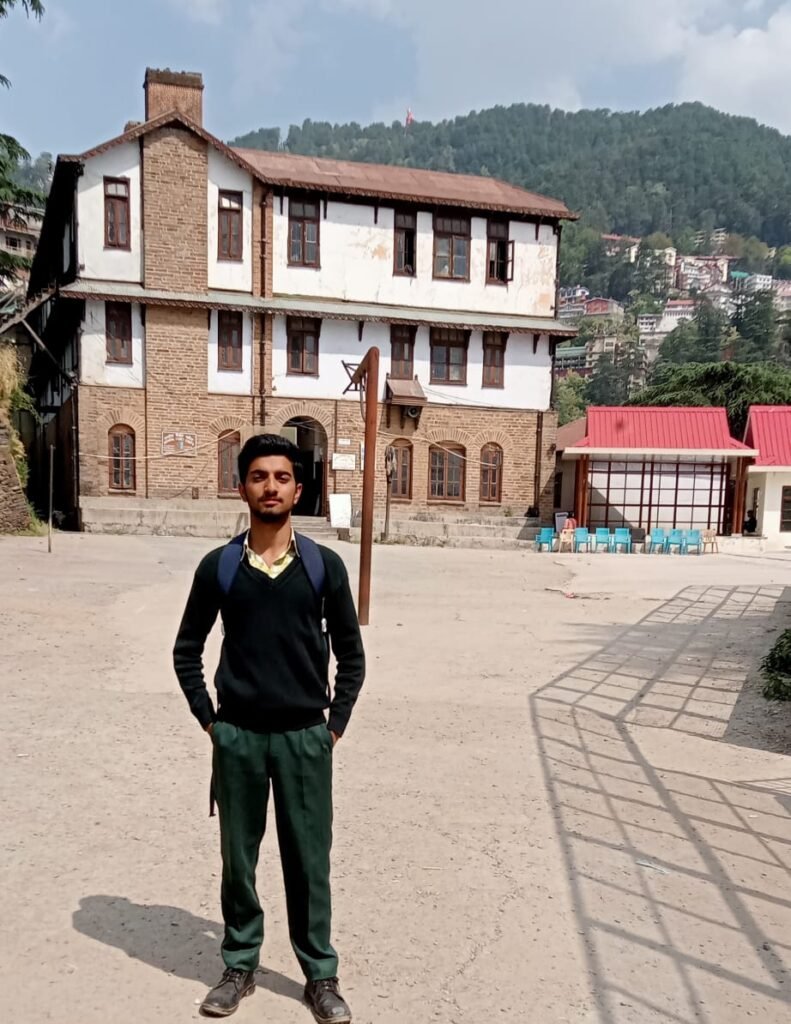
शिमला की बस्तियों में सर्वेक्षण करने का अनुभव साहिल कुमार 2021 में, मैंने अपनी ग्यारहवीं और बारहवीं लाल पानी स्कूल, कृष्णा नगर से की थी। मुझे मेरे घरवालों ने बताया था कि किसी के साथ काम से हटके बात नहीं करनी है, और किसी से लड़ाई झगड़ा नहीं करना है। घर के बड़े मानते हैं कि वहां लोग जल्दी लड़ाई झगड़े में उतर आते हैं, पर मेरे साथ स्कूल के दौरान कभी ऐसी कोई घटना नहीं हुई। सितंबर महीने में जब मैंने Urban SHADE प्रोजेक्ट में काम करना शुरू किया, तभी यही धारणा मेरे मन में थी। मेरी टीम का काम था कि घर-घर जाकर सर्वेक्षण करना। हम पूरे सात लोग ये काम पर लगे थे। इस प्रोजेक्ट में काम शुरू करने के बाद, कृष्णा नगर के लोगों और जगह के बारे में मेरी धारणा और अनुभव में आया बदलाव।  हमने Urban SHADE प्रोजेक्ट हिमाचल प्रदेश के शिमला की अनौपचारिक बस्तियों में घरेलू स्तर पर सर्वेक्षण से संबंधित आँकड़े एकत्र करना शुरू किया। हम दो बस्तियों – कृष्णा नगर और ईदगाह कॉलोनी – में काम कर रहे थे। घरेलू सर्वेक्षण का उद्‌देश्य अनौपचारिक बस्तियों में रहने वाले लोगों के स्वास्थय पर पड़ने वाले प्रभावोंऔर कमज़ोरियों को समझना है। साथ ही चरम मौसम की घटनाओं के दौरान और उसके बाद सार्वजनिक स्वास्थय सुविधाओंमें उपलब्धता को भी समझना  है।  यह मेरा पहला काम था। मेरा, शुरुआती अनुभव बिल्कुल ना के बराबर था लेकिन पहले ही दिन से नई चीजों को सिखने पर ध्यान दिया। जब पहले दिन हम अपने क्षेत्रों में पूरी टीम  के साथ गए तो हमने देखा कि कृष्णा नगर में रास्ते सीधे नही है और बहुत सी सीढ़ियाँ है। यहाँ पर लोगों के घर बहुत पास-पास है, और भारी बारिश के दौरान लोगों के घरो के जल निकासी की स्थिती बहुत खराब है। कृष्णा नगर के लोगों का कहना यही था कि बहुत से लोग आते-जाते है और सर्वे कर के चले जाते है। परंतु कोई हमारे लिए कुछ भी नहीं करता।  मैपिंग की समस्याएं हमें ट्रेनिंग के दौरान मैपिंग के बारे में बताया गया। सर्वे के पहले मैपिंग जरूरी थी ताकि कृष्णा नगर की भौगोलिक स्थिति के बारे में और घरों की स्थिति के बारे में अच्छे से पता चले।  दोनों क्षेत्र- कृष्णानगर और ईदगाह पहाड़ी क्षेत्र हैं,और रास्तों में उतार चढ़ाव बहुत है।  मेरे सीनियर्स और टीम मेंबर्स को भी कृष्णा नगर में मैपिंग के दौरान ऊपर नीचे चढ़के थकान का सामना करना पड़ा। हम सोच में पड़ गए कि यहाँ के लोग, विशेष रूप से बुज़ुर्ग लोग, कैसे रोज चलते फिरते होंगे। सर्वे के दौरान हमें बुज़ुर्ग बताते थे कि उन्हें नीचे से कार्ट रोड पहुँचने में बहुत समय  लगता है। बहुत से बुज़ुर्ग डंडा पकड़कर, बीच में बैठ-बैठ कर धीरे-धीरे ऊपर तक पहुँचते हैं। मैपिंग में मुझे कई जरूरी चीजों का ध्यान रखना पड़ता था। कोई घर छूट ना जाए। लोगो से रास्ते को पूछना या कौनसा घर किस से जुड़ा है। कृष्णानगर में पालतू और आवारा कुत्तों का डर बहुत ज्यादा था। हमें डर था कि ये आवारा कुत्ते हमें ही काट न दें। हम लोगों को पूछ कर ही गालियों में जाते थे। जिन घरों में पालतू कुत्ते होते थे वह उन्हें पकड़कर या बांधकर रखते थे। हमने सुरक्षित होकर मैपिंग का काम चालू रखा । मैपिंग में हमें एक ही गली में कई बार आना जाना पड़ता था। शुरुआत में थोड़ी थकान के साथ समय वाला काम लगता था। फिर मुझे इसकी आदत होने लगी। मैंने मैप के  चित्र का  ज्यादातर काम खुद ही किया है। मैप को पहले मोटे तौर पर बनाया और फिर उसे बड़े चार्ट में लैंडमार्क लिखकर तैयार किया।यह काम मुश्किल था क्योंकि  गलीयाँ कहीं न कहीं एक दूसरे से मिलती हैं। इस दौरान, मैं और मेरी टीम घंटों वाल्मीकि मंदिर में बैठकर काम करते थे। वहाँ का माहौल अच्छा था और लोगों को हमारे काम के बारे में जानने में दिलचस्पी थी। मुख्य घरेलू सर्वे की शुरुआत पायलटिंग के दौरान मेरी एक परिवार से बात हुई।  इन लोगों ने 2023 में स्लॉटर हाऊस के हादसे को अपनी आंखों से देखा। उन्होने अपने घर के साथ लगती नालियों और बुरी जल निकासी  (drainage) के बारे में बताया। उन्होंने बारिश के दौरान अपने घर को छोड़ने की स्थिती और अनुभव को मेरे साथ साझा किया।  एक और दुखी परिवार के अनुभव को भी मैने सुना था। उन्होनें कुछ साल पहले नया घर खरीदा था जो कि 2023 के स्लॉटर हाउस क लैंडस्लाइड (landslide)  हादसे में तबाह हो गया।आज उस परिवार को किराए के घर में अपना जीवन यापन करना पड़ रहा है। सर्वे के पहले दिनों में मेरा अनुभव ठीक रहा और लोगो से बात करके अच्छा लग रहा था। सर्वे के तीसरे दिन, जब मैं एक आदमी से सर्वे के सवाल पूछ रहा था, उन्होंने घर के संबंधित सवालों के बारे में बुरा मान लिया। उनका व्यवहार मेरे प्रति बहुत अच्छा था परंतु उनको सर्व के कुछ प्रश्नों से थोड़ी परेशानी थी। उन्होंने  सर्वे रोकने को कहा और उन्होंने मुझे डेटा टैबलेट से मिटाने को भी कहा। कुछ देर के लिए उन्होंने टैबलेट मेरे हाथ से लेकर उसमें कुछ देखने भी लगे। इसके बाद में हमारे टीम के सीनियर ने कृष्णा नगर के वाल्मीकी मंदिर वहाँ के निवासियों के साथ बैठक की । उन्होंने सर्वे के बारे में अच्छे से समझाया। इस बैठक से लोगों को समाधान मिला और सर्वे सामान्य तरीके से चल पड़ा। और उसके बाद वाल्मिकी सभा के लोगों ने हमें सर्वे के लिए और ज्याया प्रोत्साहित किया।  लोगों को दिक्कत व परेशानियाँ लोगो का मेरे प्रति व्यवहार अच्च्छा रहा। लोग जानकारी देने के लिए पूरा समय देते थे और अपने पूर्व प्रभावो को हमारे साथ साझा करते थे। लोग अपनी गंभीर बीमारियों के बारे में भी हमारे साथ जानकारी साझा करते थे। लोगों ने  बताया कि कार्ट रोड तक आने-जाने  से जोड़ों में दर्द होता है।यहाँ का नाला कूड़े से भरा रहता है, और जो लोग नाले के पास रहते हैं वे इससे ज्यादा परेशान रहते हैं। इससे वर्षा के मौसम में समस्या आती है और बीमारियाँ पैदा होती हैं। कृष्णानगर में ऐबुलेंस की सेवा भी ना के बराबर है। मौसम के कारण

Uncategorized

GUNTUR

Guntur Guntur, which lies next to Vijawayada, is also an old city with its municipality being established in 1866. It is famous for its chillies, attracting labourers from the state and outside state. In Guntur, the project will work in Sarada colony.  Sarada colony Sarada colony  is located in the north-western part of Guntur city, adjacent to a large swamp. Though people here claim to have lived here for at least two generations, they do not hold legal land titles. There is a looming threat of eviction at all times.  The people living here are mostly from Scheduled Caste/Dalit or Scheduled Tribe communities, most of whom identify as Christian. The community depends on a variety of informal and precarious jobs, earning about ₹200 to ₹300 per day. Men are mostly engaged in catering services on a daily wage basis, while women are involved in waste picking, hair selling, and home-based work like plucking chilli tips. Hair selling involves bartering some objects such as kitchen items for hair women shed, and then selling those to people who make extensions or wigs. This occupation, like many others this community engages in, becomes difficult during monsoons. Since work is seasonal, the people here also borrow money and often are in debt. Houses, which appear to be built by residents themselves, are packed in narrow lanes that allow at most a two-wheeler to pass through. Many houses have roofs made of tin or cement sheets, while others are semi pucca  structures, that is a combination of temporary and permanent materials, such as bricks with tin or cement sheets.  This area is subject to extreme heat waves and flooding. These houses provide little shelter from both these extreme weathers. During heavy rains, the entire stretch gets submerged in water up to knee level for sometimes up to five days. The lack of drainage systems keeps the water stagnant for days, increasing risk of mosquito-borne diseases and water-borne diseases. The tin sheets trap heat inside, making indoor conditions unbearable, especially for the elderly and children. While most households have individual toilets, the lack of a proper drainage system severely affects sanitation. The main sewage channel that runs parallel to the settlement overflows frequently during rains, leading to widespread flooding and waterlogging in the lanes. During such episodes, household and human waste enter the lanes and sometimes into homes, posing serious health risks. The absence of covered drains and stormwater channels exacerbates these problems. Garbage collection is irregular and often fails to cover the entire stretch. The waste, when not collected, accumulates in street corners or in the swamp, further polluting the environment. People also complain of mosquito infestation in the area. While most people have municipal water connections, the water supply is irregular. During the monsoon, the tap water is often contaminated. People here buy 20-liter cans of water at ₹10 each from private suppliers who claim to sell purified water. The cost adds up significantly, especially for larger families and during times of illness.  In 2023, there was an outbreak last year due alleged water contamination with more than 100 people from different parts of Guntur, including Sarada colony were rushed to the hospital with symptoms of diarrhoea, vomiting and fever. A young girl, barely 18 years old, from Sarada colony died in this outbreak. Some of the packaged-water producing units were closed down by municipal authorities as a result of the outbreak, claiming that they were unauthorised.  When people who live here fall sick, they first head to a local pharmacy and get medicines (even prescription medicines can be easily procured in local pharmacies in India). They also turn to RMPs, who are private allopathic providers that do not have a medical degree recognised by the state. The community members claim that these providers provide “quick relief” usually in the form of an injection, which according to them, provides fast recovery. Two years ago, a new Urban Primary Health Centre (UPHC) was established nearby. As awareness has grown, residents have started to visit the UPHC, and some staff reportedly provide referrals to higher-level public hospitals when necessary. Despite this progress, there remains a strong mistrust toward public hospitals, especially the Government General Hospital (GGH), Guntur. Residents complain about long waiting hours, poor staff behaviour, and the expectation of informal payments for services. These barriers discourage them from seeking formal care unless necessary.  Common health complaints in the settlement include musculoskeletal pain, especially knee and back pain, due to the nature of their work. Fevers are also common, particularly during monsoons, when stagnant water and poor drainage create breeding grounds for mosquitoes.

Uncategorized

Shimla

Shimla Shimla, the hill-top city, was the British Summer Capital. In the 19th to early 20th century, the upper slopes of the hill were developed for Imperial buildings, residences, and commercial centres. The lowest slopes of the hill settled Muslim and lower caste migrant people who worked for the city. It provided spaces for working class houses, godowns, cattle sheds, coolie quarters among others. Perched on a delicate ecosystem These areas now are at constant risk of environmental hazards such as floods, landslides and forest fires. Urban SHADE project will work on the biggest informal settlement in Shimla – Krishna Nagar- which grew during colonial times, and the relatively newer informal colony of Eidgah Mohalla in Ruldu Bhatta. Krishna Nagar Krishna Nagar is among the oldest settlements in Shimla, and was established during the British colonial rule. While the British elite built grand residences on the upper slopes of Shimla, the working class, mostly Muslim and lowered caste migrant people settled in the lower slopes of the hill or “Below Cart Road.” These persons who served the British empire were tailors, butchers, sweepers, coolies, blacksmiths, shoemakers etc. The area got a new name- Krishna Nagar after India got Independence in 1947.  The locality came up on construction debris, near the sewers and slaughter houses. The area got a new name- Krishna Nagar after India got Independence in 1947. Perched delicately on the steep lower slopes of Shimla, it is now at constant risk of hazards such as floods, landslides and forest fires. Many people here are from the lowered caste category. The residents here work in construction, casual labour, sanitation workers under municipal contract, tailor, shop assistant, small food vendor or kiosk operators. This colony has a famous Valmiki temple visited by hundreds during Valmiki Jayanti. Many families have been living for generations, but most of this area is still informal as most of the residents do not have formal papers for their houses, which are built on deemed forest land. The residents face constant threat of eviction and court orders directing demolition of unauthorised structures. Most of the houses are on encroached lands, and some families have rented houses. Despite the long history of this settlement, Krishna Nagar faces has not been planned and has poor services. It is a landslide prone area worsened by unregulated construction on fragile slopes and aged infrastructure. While many people have invested in building concrete houses, some houses are makeshift. Despite this, many houses have structural cracks, inadequate roofing and unsafe foundations. Some have even been declared unfit for habitation.  Krishna Nagar had a government Primary Health Centre (PHC). In 2013, the PHC collapsed during the landslide after extreme rains. The ward is now left with a small privately run dispensary known as  Gurudwara Singh Sabha dispensary. A building for a new PHC has been made, but the health facility is not operational yet. People with any health issue, big or small, usually end up going to Deen Dayal Upadhyaya Zonal Hospital (secondary level) or Indira Gandhi Medical College (tertiary level). Since they have to go to higher hospitals for smaller health issues, it results in overcrowding and long waits in the hospitals. These invariably result in loss of wages.  During health emergencies, when ambulances are called for, people have to climb steep slopes and stairs to reach the main road where ambulances can be parked. The pathways inside the colony are too narrow and steep, and can at most allow two wheelers in some parts. These narrow lanes, and insufficient turning radius make it impossible for fire tenders to Krishna Nagar’s areas.  There are no functional drainage or sanitation systems. Drains are open and get chocked during rains leading to contamination, and increasing the risk of waterborne and vector borne diseases. Many houses are built next to the old British-era nalah or drain. During the rains the drain water often flows into the house.  Residents complain that municipal workers do not clean their area, resulting in blocked drains.  Houses are built next to these open drains.  While many people have invested in building concrete houses, some houses are makeshift. Many houses have structural cracks, inadequate roofing and unsafe foundation, and have been declared unfit for habitation. Many houses here remain damp during the rains. People here complain of suffering from musculoskeletal pain, respiratory issues, and skin diseases.  Residents do not have piped water in many parts of the settlements. In some parts, people share toilets. While there is direct water supply in this area from the Municipality, the flow of water supply is intermittent.  The ward is prone to various hazards such as earthquake, landslide, land sinking, hailstorm, fire, public health risks/ diseases, road accidents, tree falling etc. In 2023, there was a major flood in Krishna Nagar, which felled a landmark Slaughter House in the area, along with several houses. This flood killed at least two persons from the locality. Some houses were destroyed and many people had to evacuate their homes permanently as they were precarious. Eidgah Colony, Ruldu Bhatta Ruldu Bhatta is the second largest “slum” in Shimla city, second to Krishnanagar. It is home to more than 6000 residents, and is close to popular tourist destinations such as Scandal Point. Eidgah colony is the biggest informal settlement in Ruldu Bhatta. The ward is elevated and has steep hairpin bends, making it difficult for vehicles to ply.  Some roads are broken and damaged making it difficult to even walk. Nearly 90 percent of people here live in interior lanes with poor accessibility to motorable roads. Emergency services and fire tenders find it difficult to enter Ruldu Bhatta. The colony has mostly migrant workers from other North Indian states such as Uttar Pradesh and Bihar. These workers are mostly informal or daily wage labourers, carpenters, welders, construction labourers,often seen walking in a line towards the main road in the mornings.  A significant number of houses in the area are built on unstable slopes. The construction of houses inside Eidgah

Uncategorized

Kilifi

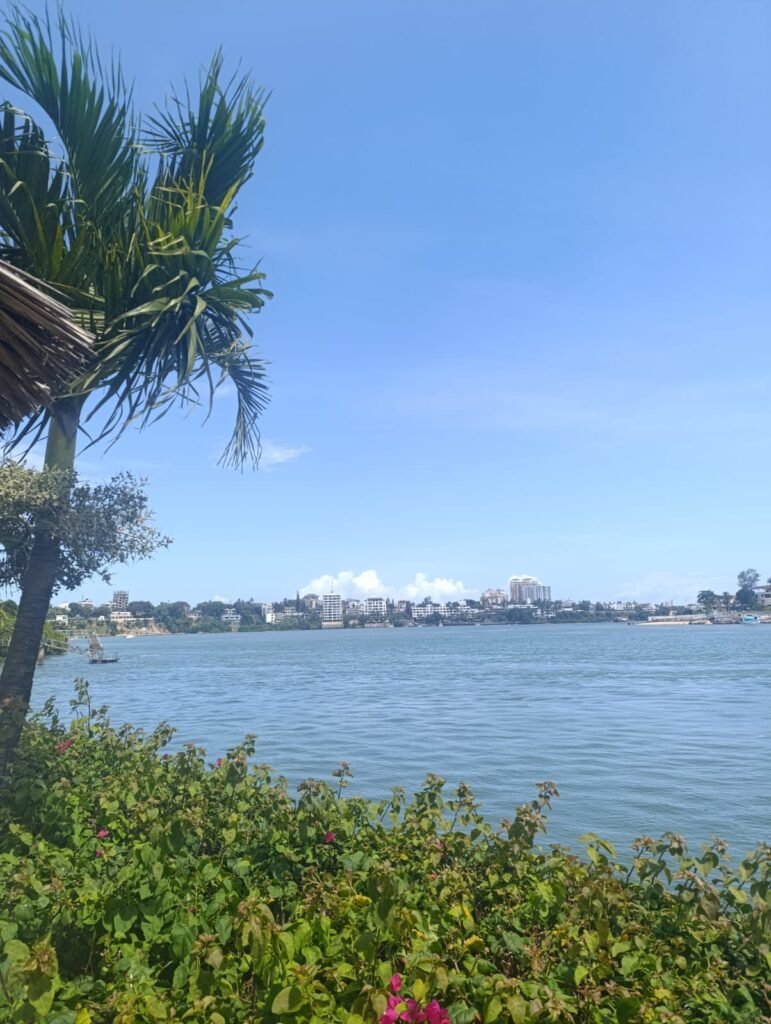
Dhows in Kilifi creek. By Michelle Mergler, Wikipedia commons Kilifi is a coastal town, close to Mombasa. The town lies on Kilifi creek and sits on the estuary of Goshi river also known as Voi River. Half the population in this town are estimated to live in informal settlements.  Kilifi had a huge cashewnut  production as well as processing factory which shut down because of various reasons in the 1990s. Much of the migration to the city happened because of the cashewnut industry, which is getting revived slowly now. The informal settlements cater to many who migrated here for work. The Pwani university, which was established in 2007, also provides jobs for people here. Some others who live in informal settlements have small informal businesses or engage in small trade activities. Urban SHADE is working in the informal settlement of Mibuyu Saba. Mibuyu Saba Mibuyu Saba is located in Kilifi township and is close to the Indian Ocean. The settlement is a result of the earlier roaring cashew industry. Most people here have been settled here for decades, even though they do not have a title deed. The land belongs to Kilifi town council. Some houses here are still thatched, while some have iron sheets for roofs. There are some multi-family Swahili style houses with a compound and multiple houses. The houses though are structurally stronger than the ones in Mombasa’s informal settlements because of the use of stone, which is locally available, to build walls. The settlement is vulnerable to flooding, strong winds, and high temperature. There are threats of eviction, but a process of formalisation is underway. Because of its proximity to the university, there is growing interest by private developers to develop this land. The residents have been engaging in efforts to formalize their ownership since 1986 when they formed the Mibuyu Saba Squatter Formalisation Scheme. This scheme was approved in 2007 when some lanes were approved for building houses. However, the process has been stalled for various reasons at the moment. While toilets are relatively accessible, the settlement has no proper sewer system, and therefore there is no pathway for the water to drain, resulting in flooding during rains. Water supply and electricity is adequate, but subject to contamination due to poor drainage. A waterpoint in Mibuyu Saba around poor drainage.

Sierra Leone, Uncategorized

Freetown

Freetown is the capital of Sierra Leone and a major port city. During the country’s civil war between 1991 to 2002, about 500,000 farming families were displaced in the country, many of them moving to Freetown, and continued to remain there. The migration accelerated urbanisation compounding infrastructure issues, forcing people to build informal settlements and communities. Much of this urbanisation is unplanned. The road network in the city covers just 5% of the city’s land compared to the recommended 30%. This increases climate-risk vulnerability for an already vulnerable population, especially those living in informal settlements or working in the informal sector. In 2017, flooding and mudslides in Freetown killed more than 500 people.  The Urban SHADE project will be working in Susan’s Bay, CKG and Moyiba. Susan’s Bay Susan’s Bay is a coastal settlement in the center of Freetown, which reflects a long history of British colonial rule in Sierra Leone. The settlement is believed to have been named after the wife of one of the British colonial governors in the early twentieth century. Susan’s Bay is a valuable harbour in the city that facilitates interior trade between Freetown residents and traders from coastal towns and villages in the north of Sierra Leone. The community continues to provide an important route for sea transportation of food items, including fruits and vegetables, fish, and firewood from across the Sierra Leone River into Freetown. Most residents, particularly women, are engaged in informal trade, which includes the sale of fish, charcoal, and other food items. Susan’s Bay is a valuable harbour in the city that facilitates interior trade between Freetown residents and traders from coastal towns and villages in the north of Sierra Leone. The community continues to provide an important route for sea transportation of food items, including fruits and vegetables, fish, and firewood from across the Sierra Leone River into Freetown. Most residents, particularly women, are engaged in informal trade, which includes the sale of fish, charcoal, and other food items. Susan’s Bay’s face changed after widespread internal migration during the war. There was rapid informal land reclamation, with houses built on ocean’s banks exposing residents to increased risks of flooding. The settlement is also at a risk of heatwaves and fire incidents.  Many houses are largely makeshift with corrugated iron sheet walls, lack good foundations, and are highly clustered, making them vulnerable to damage from yearly flooding and fire incidents. There are no access roads for vehicular entry, which impacts effective service delivery during emergencies, such as fire incidents. The lack of formal land deeds and building permits discourages housing improvement, with the fear of eviction. There is one community health centre delivering primary healthcare services. The overwhelming population and bad experiences with formal health service provision, such as long wait times, high cost, trust issues, and perceived poor quality of care, often make many residents turn to traditional healers or pepe doctors (informal drug sellers) before seeking formal care.  Common health conditions include malaria, typhoid, and cold, resulting from poor water sanitation conditions and proximity to the coastline.  CKG CKG is in the west of Freetown. It is an abbreviation used to describe a network of small coastal settlements built on the banks of the Congo river known as Crab town, Kolle town and Gray Bush. They are considered one community because of their proximity and similar social and environmental characteristics. It lies close to Kingtom dumpsite, one of the two largest dumpsites in Freetown. The settlement is believed to have started in the early 1970s when the National Stadium was constructed. The nearby vacant land became populated with people working on the construction of the stadium and those seeking livelihood opportunities. As migration to Gray Bush continued into the 1980s, people began to settle in the adjacent low-lying section of CKG called Crab Town, hunting crabs in the crocodile river. The coastal area near the Kingtom landfill was also reclaimed to form the other section of the community known as Kolleh Town.  After the civil war, an ensuing migration into Freetown increased overcrowding and congestion in the area. The presence of informal housing structures in waterlogged areas near the Kingtom landfill influences the recurrence of regular flooding and fire hazards, and increased air pollution.  The majority of the structures in Crab Town and Kolleh Town are made of corrugated iron sheets, while Gray Bush, sitting on top of Crab Town, largely comprises mud and cement brick structures. Livelihood activities of residents include fishing, small-scale businesses, and scavenging from the Kingtom dumpsite. Like many informal settlements in Freetown, the residents of CKG have limited public provision of good drinking water. Most of the sources are dug wells used for domestic purposes, but are unfit for drinking due to contamination, especially in the rainy season when the community floods. The other risks are heatwaves, and falling rocks and boulders. Limited pipe-borne water connected to the municipal grid is the main source of potable water, although it is also reported to be exposed to contamination in the event of flooding. The community also faces dire sanitation challenges. Residents at Crab town and Kolleh town, along the Congo River connect sewage pipes that empty sludge into the river. The lack of good drainage, poor waste management, and the existence of the Kingtom landfill at Kolleh town further exacerbate exposure of residents to health risks.  Moyiba Moyiba is a hillside informal settlement in the east of Freetown, about 5 km from the Central Business District. Established as a farming community in 1929, it was transformed into a quarry in 1966 to support major city infrastructure projects in Freetown, including roads, bridges, the national port and stadium. During the war, the settlement attracted many internally displaced persons and urban residents facing housing difficulties. The area is made of hills and has high levels of deforestation because of house construction and stone mining. (HISTORY) Housing The houses in Moyiba primarily are built with mud-brick walls and corrugated iron sheets, with a few makeshift structures,

Uncategorized

Mombasa

Mombasa Mombasa is one of the oldest cities in Kenya, second only after Nairobi. It is the largest port in East Africa, and also a major tourist destination. Mombasa attracts a lot of workers from different parts of Kenya and other countries in the region, influencing the growth of informal settlements. In Mombasa, about 40 percent of the population lives in slums that occupy only 5 percent of the total land area. Urban SHADE project will work at Tudor Moroto and Matopeni settlements in Mombasa Tudor Moroto Tudor Moroto (‘moroto’ means ‘slum’ in Kiswahili), is located in Island District, a key tourism spot. It is an informal settlement and located on government land. It is said that the area was forested and people made illicit brew and hid it there. Over time, those people staked claim to the land, and started living there and even constructed houses that were rented out. However, no one has a title deed in Tudor Moroto. People who settled here first call themselves “owners”, just  by virtue of settling on this land first. The Kenyan government sent bulldozers in 2002 to destroy the houses. Tudor Moroto, where an estimated 11,000 people live, comprises of seven clusters: Paradise, Simitini, KaaChonjo, Bandarini, Kwa Makaa, Maguniani and Mburukenge. The people in the settlement work in informal labour in the tourism industry, as casual labourers, vendors, fisherfolks among others.  When the area was first settled, houses had thatched roofs. Over time this transitioned to mud housing and structures are mainly built of iron sheets that are not durable. The area is subject to strong winds, flooding and higher temperatures during summer.  The settlement got more and more populated over the decades, with houses being built closer and closer to the sea. The people who live closer to the sea are more vulnerable than others, some even using cement bags filled with sand as the foundation of houses, or reinforcement to protect the houses from high tides. Since the year 2002, residents have continued to face eviction threats from the County government of Mombasa and “land owners”. The communities hesitate to permanently upgrade and build upon the land in fear of being evicted by landowners. They have been advocating for their secure land rights. People use boreholes to source drinking water as well as piped water.  There are barely any sanitation facilities, and the majority of people have a sewage pipe directly into the ocean. There is one public toilet provided by the government. Most of the toilets big and small are provided by so-called owners of the houses in the informal settlements, and are a paid service. But the sewer systems are rudimentary. Some of these toilets have pipes throwing sewage in the ocean, while some have just pits that have to be manually cleaned. Most toilets are communally shared among at least five to ten families. The informal settlement has six private clinics providing healthcare services. It does not have any referral hospital (tertiary level) in close proximity. Residents report paying between Ksh. 1,000 (7.75 USD) to 1,500 (11.63 USD) for healthcare services- a significant financial burden given their economic circumstances. There’s several public health facilities around the informal settlements but they are all 30 minutes to 1 hour away. Matopeni “Matopeni” means “muddy areas”. The informal settlement is located near the Kongowea market, perhaps the  biggest market within Mombasa Island. Many people who live here work in the market, or in the city. The settlement sits on government land (about 5 acres) managed by the Municipal Council of Mombasa with private players staking claim to the land. Private landowners swooped in on the opportunity of building an informal settlement near the market. Nobody here has a land deed, but about half the people who live here call themselves “owners” while half are renting houses. The residents here too are at high risk of eviction and are involved in contestation over the land from the government as well as the private developers who call themselves “owners”. The settlement is vulnerable to strong winds, droughts, heatwaves, and high temperatures. The poor drainage, and muddy area ensures that the area turns into sludge when it rains, cutting off access to clinics, schools and other critical services during the rains.  Many houses are built in multi-family Swahili style with a compound and multiple houses. They have iron sheets for roofs. Residents use boreholes and water kiosks for drinking water. Water kiosks are run by private individuals who provide water for cash. There are a few toilets that are built by the government, but a majority of people here use pit latrines that are not connected to any sewer system. Usually there is a toilet in one multi-family house. There are two dispensaries in the settlement, but most people initially seek healthcare at informal providers. People complain that the dispensary is ill-equipped, and often shuts down because it gets flooded during the rains.  Healthcare costs range from Ksh. 100-300, (0.78- 2.33usd). Essential services like vaccinations and ambulance services are unavailable. Because of the poor level of sanitation here diseases such as malaria, cholera, tuberculosis, diarrhea and eye infections are very common.

Uncategorized

Vijayawada

Vijayawada Vijayawada is a city in the southern state of Andhra Pradesh. It is also known as Bezawada, and was developed into a municipality in 1888. It is the second most populous district in Andhra Pradesh state. The city is fast growing, and attracts working class labourers. In Vijayawada, the Urban SHADE project will be working in the informal settlements of New Raja Rajeshwari Peta, and Vambay colony.  Vambay Colony Vambay Colony is a low-income resettlement neighborhood in Vijayawada for those displaced from informal settlements along riverbanks, canals and flood prone areas of the city. It was established in the early 2000s under the Valmiki Ambedkar Awas Yojana (VAMBAY) and later linked with Jawaharlal Nehru National Urban Renewal Mission (JNNURM) housing schemes. The colony has grown beyond the government-built buildings and has informally built houses built around these buildings.  Despite resettlement efforts, the houses have structural vulnerabilities. More than 1200 households who live here have socio-economic challenges. Residents experience recurring difficulties in accessing clean water, sanitation, healthcare, and protection from extreme weather events. The engagement of the Urban SHADE team with Vambay colony started with the ARISE (Accountability and Responsiveness in Informal Settlements for Equity) Project, which focused on vector-borne disease monitoring and health interventions among waste-picking communities.  The residents of this colony are from vulnerable lowered caste/Dalit, tribe and minority groups. Many households have second- or third-generation migrants from Andhra Pradesh’s Guntur, Krishna, and Prakasam districts who came in search of work in the city. Men mostly work as daily wage laborers, construction workers, carpenters, auto-rickshaw drivers, or sanitation workers, while women engage in domestic work, ragpicking, or tailoring. Children sometimes assist in waste collection or vending. Household incomes range from ₹5,000 to ₹10,000 per month, often fluctuating seasonally during summer and monsoon periods. Their income is seasonal and sensitive to environmental shocks, limiting economic security and social mobility. Limited access to formal banking and credit increases dependence on Self-Help Groups (SHGs) and local moneylenders, often at high interest rates which increases debt, heightening residents’ vulnerability to floods, heatwaves, and public health crises like COVID-19. The government-provided housing are three storied apartment blocks. The blocks are showing signs of deterioration. Many people have modified their homes by using tin or asbestos sheets, or cement work. Some have even created upper floors or small extensions.  Tenure is a major concern. Although residents were relocated nearly two  decades ago, they still lack formal title deeds (house registrations/house pattas). In February 2024, the residents protested for proper registrations of their houses, some even going on hunger strike. Without legal ownership, many feel they cannot claim full rights over their homes or land, feel insecure about eviction, and cannot easily access credit or make improvements. The houses are not very well maintained. Residents report damp walls, cracked pipelines, leaking roofs, especially during rains. The pipelines that supply drinking water also have leakages, complain residents. The community is exposed to extreme heat during the summer. The Vambay colony houses trap heat and cause indoor heat stress. The elderly, children, and outdoor workers are particularly vulnerable and report dizziness, fatigue and dehydration during the summer. Very few households have fans or coolers, and frequent power cuts worsen the situation.  The colony is located at the western periphery of the city, adjacent to the Budameru rivulet floodplain. This rivulet has acquired the title “Sorrow of Vijayawada” because of its propensity to flood the city. The proximity to Badameru increases the risk of floods whenever intense rainfall or upstream inflows push Badameru beyond capacity. While post-flood drainage improvements have begun under “Operation Budameru,” internal drainage within the colony remains insufficient. In 2024, more than 30 persons died in a major flood in NTR district where Vijayawada is located. The flood covered more than 40 percent of the city including Vambay colony. During these floods, homes were submerged, families displaced to relief camps, and livelihoods disrupted. There were outbreaks of water borne and vector borne diseases after the floods. The residents say that emergency responses by disaster-relief teams were delayed and that they relied on their own informal networks to evacuate. While there is a city-wide disaster management plan, Vambay colony needs a local ward disaster management committee, community level evacuation plans, or first responder training for residents. The residents are rarely included in any municipal planning initiatives. Water and Sanitation The water supply is irregular. Piped networks, borewells, and standposts managed by the municipal authorities deliver water once every 2–3 days. Households store water in drums and buckets. Sanitation is inadequate. Open drains overflow during rainfall, mixing sewage with stormwater, which facilitates the spread of vector-borne and waterborne diseases such as dengue, chikungunya, and diarrhoea. Community toilets exist but are poorly maintained, and women report safety concerns after dark. Garbage collection is irregular, with accumulated waste often blocking drains, worsening floods.  Infrastructure The internal roads and inner lanes are mostly narrow, unpaved, or partially paved. Informal extensions of structures have reduced the width of the roads here. During the monsoons, these roads become waterlogged, muddy, and slippery making it difficult to navigate especially for the elderly people and children. The narrow roads affect people’s ability to reach work, schools, or health facilities. Because of narrow lanes and encroachments, ambulance or emergency vehicle entry is constrained, particularly in inner stretches. Public transport connectivity is limited which forces residents to primarily depend on share-autos, two-wheelers, and bicycles for commuting. The combination of irregular transport services and poor road conditions adds time, cost, and risk to everyday travel, particularly for low-income households relying on hourly wages. Health and Access to Services While the nearest Urban Primary Health Centre (UPHC) is inside the community, residents complain about unavailability of staff and delay in care. The residents say they rely more on private formal and informal clinics, pharmacies. The residents are vulnerable to waterborne diseases, such as diarrhoea or cholera, vector-borne diseases such as dengue or malaria, respiratory illnesses (possibly due to pollution near garbage sites), heat related stress and ailments,

Blog

How terrain of the informal settlements has impact on health

How terrain of the informal settlement has an impact on health  Almenatu Samura It is well known that living in informal settlements poses a risk to health because of lack of formal recognition, and the residents facing various socioeconomic, environmental and political exclusions. In the coastal informal settlement of Susan’s Bay, one’s access to health is also determined by what part of the settlement she lives in.  Since the settlement is built on steep, tiered landscape, people living in the lower parts of the settlement have to climb long flights of uneven stairs to get anywhere. This includes going to the only public health facility, Susan’s Bay Community Health Centre that serves the settlement, which is perched on the upper end of the informal settlement.  While this reality touches every resident, it falls heaviest on the most vulnerable groups persons with disabilities, the elderly, children, and especially pregnant women.  The terrain makes daily movement for residents, especially vulnerable ones, exhausting and sometimes impossible. “There’s no part of the community without staircases. To exit the area, you must climb, which is a major challenge for us,” one resident explained. Residents at the lower end of the settlement struggle to reach it, especially during medical emergencies, and disasters such as fire and storms. In 2021, a massive fire swept in Susan’s Bay injuring hundreds of people and destroying much of the infrastructure. The lack of roads prevented fire engines to reach the community to put out the fire. Life-threatening delays during childbirth Pregnant women find the uphill journey daunting, often missing critical antenatal appointments or experience life-threatening delays to reach the health facility during labour. The consequences are devastating from miscarriages and preventable complications to tragic maternal and newborn deaths. The community members talk about cases where pregnant women have failed to reach health centre, losing their lives.  As per the latest UN estimates, Sierra Leone has made strides in reducing the maternal mortality ratio from 1682 deaths per 100,000 live births in 2000 to 354 in 2023. But 354 deaths per 100,000 live births is still too high a number- about three maternal deaths a day. Stories of women dying of childbirth abound in the settlement.  A community leader speaks about the case of a pregnant woman who died of childbirth after she could not reach the health centre. She lived in the lower end of the informal settlement. “The pregnant woman was unable to reach the health center. She returned home and delivered with a traditional birth attendant (TBA). The mother couldn’t make it out alive,” recalled a community leader. After the complications, the woman was taken to the health facility where an emergency C- section was done.  Beyond the steep terrain, narrow and congested roads compound the crisis. Traders often line the pathways, leaving little space for movement. The environment is physically inaccessible, disaster-prone, and socially excluding. This is especially true when a fire breaks out, or during floods when it is impossible to move fast. A disabled resident said that being carried on someone’s back is “dehumanising.” No “free” healthcare There are other barriers to access to healthcare. Despite the Free Health Care Initiative (FHCI) that was launched in 2010, people talk about hidden costs, medicine shortages. Informal payments keep many away from clinics.  Many residents living in Susan’s Bay lack reliable income and the rising cost of living is deepening their hardship. This hardship is compounded for vulnerable populations who then depend on informal health care rather than the formal system.  “I don’t have a steady job, so if I can’t afford tests or drugs, I simply go without treatment,” said a man with a disability. A recent Human Rights Watch report looking at obstetric violence in Sierra Leone said that indigent women are at a higher risk of obstetric violence if they cannot make informal cash payments to staff in government facilities for services, drugs, and other commodities, even if in an obstetric emergency. The report is based on more than 130 interviews with patients, healthcare providers, government officials, and public health and policy experts in Sierra Leone  in 2024 and 2025. Community health workers say that many pregnant women too are abandoned by their partners, left to fend for themselves. Accessing formal healthcare becomes daunting for such women. In the face of these barriers, community health workers (CHWs) serve as the invisible bridge between the health system and those most at risk. They identify pregnant women who have not registered for antenatal care, provide referrals, and raise awareness on safe delivery practices. “Some women never attend ante-natal until CHWs visit them at home. Many don’t even have antenatal cards,” said a CHW. Without their outreach, maternal and newborn deaths in Susan’s Bay would likely be far higher. Susan’s Bay’s story is not an isolated one. Across Sierra Leone’s informal settlements, residents find it difficult to access healthcare. Addressing this requires more than infrastructure; it demands inclusion, empathy, and sustained attention.  To build resilience in Susan’s Bay, interventions must prioritise accessible and inclusive healthcare facilities, improved mobility pathways for persons with disabilities and the elderly, community-based maternal health programs, livelihood support for vulnerable women and people with disabilities, and stronger emergency preparedness and response systems.

Blog, India

Experiences of co-creating survey with communities facing climate health risks

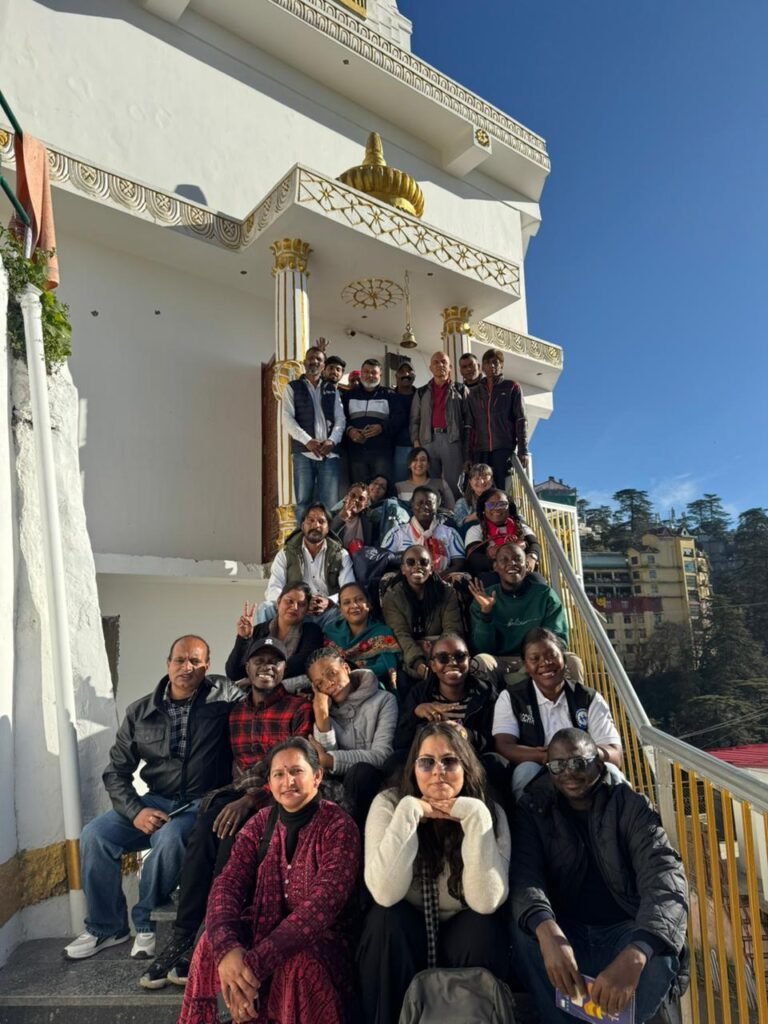
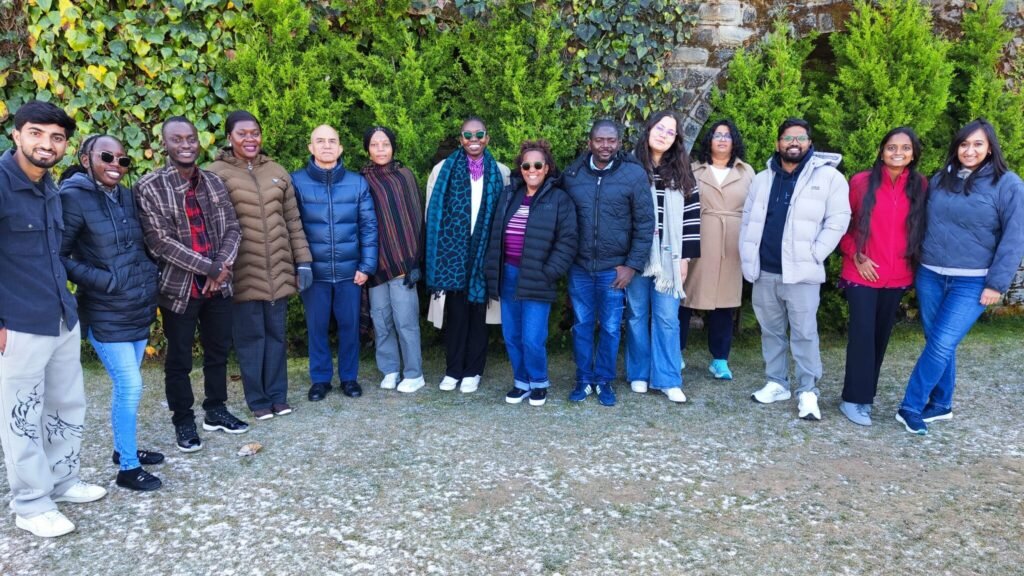
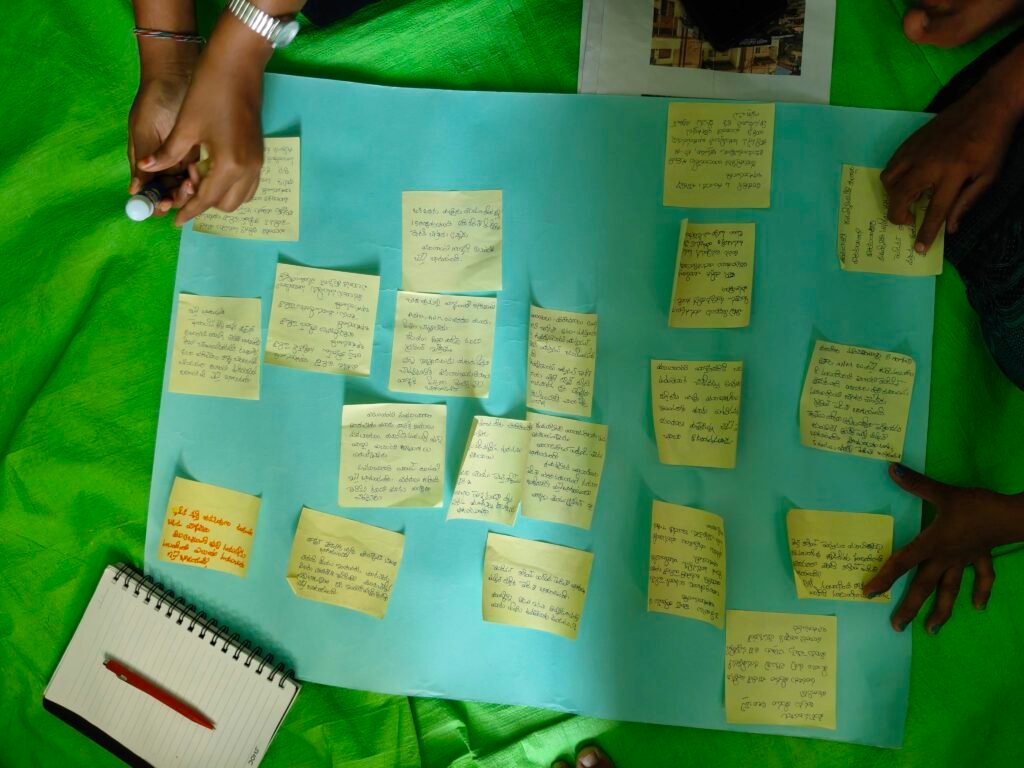
Experiences of co-creating survey with communities facing climate health risks In late October 2025, the Urban SHADE project in India will start on data collection related to the household level survey in the informal settlements in Shimla in Himachal Pradesh, Vijayawada and Guntur in Andhra Pradesh. The household survey aims to understand health impacts and vulnerabilities of people living in informal settlements, as well as the extent of care available to them in public health facilities during and following extreme weather events. The Urban Shade Project, aims to strengthen  health services for people living in urban informal settlements, to respond to impacts of extreme weather events. The enumerators in both states underwent an extensive training programme in September, which covered the details about the project, ethics of data collection, mapping and use of survey software. The project has involved the community in every step of the way.  The design of the survey tool – Household Survey: Social and Health Vulnerability Assessment related to Extreme Weather Events– was led by a member of the research team, Malini Aisola with extensive inputs from research and field team members. The survey includes social demographic profiles of household members, access to utilities and infrastructure, access to health services, housing, past impact of extreme weather events, people’s perceptions, awareness and responses on extreme weather events. The survey will be conducted in informal settlements in Vijaywada-Guntur, and two informal settlements in Shimla. The two extreme weather events we are looking at in the project are extreme heat and extreme rainfall/flooding.Through the household survey, the team aims to generate context-specific data about a variety of indicators of social and health vulnerability, and provide insights about how they shape experiences of extreme weather events. For example, those living in the poor quality houses, and do informal work may feel the impact of extreme heat more.The survey would enable granular descriptions at the settlement-level of prevailing conditions that could inform government policies and local preparedness planning including provision of health services. Consulting the community on survey tool The Urban SHADE research teams had fortunately worked with some of the settlement sites in the project earlier in another project called Accountability for Informal Urban Equity (ARISE), an action research project focussing on health and wellbeing of sanitation workers. In some other communities, efforts were made to engage with the community in a meaningful way before data collection. In Eidgah colony, a public meeting was organised with support from key stakeholders including the Maulvi of the mosque, the ward councillor, community leaders, an official from National Health Mission and ASHA workers in the settlement.  Anmol Somanchi, a developmental economist and member of the research team in an advisory capacity, helped the team develop a conceptual framework for measuring vulnerabilities. After developing a basic draft with inputs from research and field team members, our team presented it to the members and stakeholders of the settlements in Vijayawada, Guntur and Shimla.  The workshops included residents, community leaders, elected officials, health workers, civil society members of these settlements we are studying in including Krishna Nagar, and Eidgah colony in Shimla, Vambay colony and New Raja Rajeswari Peta (also called RR Peta) in Vijaywada, and Sarada colony in Guntur. The one-day workshop was organised by the research team of Inayat Singh Kakar and Yetika Dolker in Shimla, and Pavani Pendyala and Hemanth Chandu in Vijayawada in May.  Apart from talking about the survey, key questions were read out and displayed in the workshop to the community members to discuss their relevance, the way they are worded, as well how the data could be relevant to the community for advocacy. Community members gave suggestions on improving the questions as options to click to elicit an appropriate answer.  Mahesh aka Shiva who lives in RR Peta gave suggestions to simplify the Telugu questions, making it closer to spoken language rather than very Sanskritised. “In the workshop, you  (Urban SHADE team) asked us whether we were able to understand the language or not, and modified the questionnaire based on the language we were able to understand,” said Mahesh.  The workshop helped the research team to overcome engagement challenges in one of the settlements in Andhra Pradesh who were unfamiliar with the research teams’ work and helped familiarise them with the research. These members helped facilitate community engagement for the researchers. Reena Chauhan, Accredited Social Health Activist or ASHA worker works with the community in Eidgah colony. ASHA workers work closely with the communities and link them up with services in the public health facilities. Asha workers used to conduct government-related surveys.  “For the first time, someone has asked us anything before conducting any kind of survey. Usually we are just asked about our targets related to our work in taking pregnant women for check ups or checking on newborns, or motivating tuberculosis patients to take their medicines,” said Reena Chauhan, ASHA worker in Shimla Taking feedback from the community is in line with participatory action research methodology which this project is committed to. It also adheres to the principle laid down in the Human Rights Approach to Data, that talks about including means for active, and meaningful participation of relevant stakeholders, especially the most marginalised population groups during the entire data collection process including planning before the survey roll outs.  Deciding boundaries of the settlement For the project and particularly for the survey, it was important to determine the boundaries of the settlement- what part of the settlement will be covered for the survey, and what will be left out. The boundaries then determine where the enumerators and researchers 1can move around and conduct the survey.  In Vijayawada and Guntur, there were some areas adjoining the informal settlements where the middle class families lived in visibly well-made houses. The project’s Vijayawada-based researcher, Hemanth Chandu sat with community persons, Madhavi, Kosamma, Mahesh and Shiva in RR Peta and Vambay Colony, Vijayawada and Akkamma and Shiva Parvati in Sarada Colony, Guntur. Of these, Madhavi and Shiva Parvati are community

Scroll to Top