
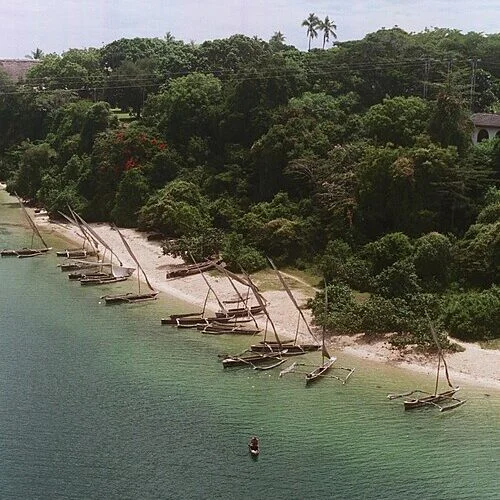
Dhows in Kilifi creek. By Michelle Mergler, Wikipedia commons
Kilifi is a coastal town, close to Mombasa. The town lies on Kilifi creek and sits on the estuary of Goshi river also known as Voi River. Half the population in this town are estimated to live in informal settlements.
Kilifi had a huge cashewnut production as well as processing factory which shut down because of various reasons in the 1990s. Much of the migration to the city happened because of the cashewnut industry, which is getting revived slowly now. The informal settlements cater to many who migrated here for work. The Pwani university, which was established in 2007, also provides jobs for people here. Some others who live in informal settlements have small informal businesses or engage in small trade activities.
Urban SHADE is working in the informal settlement of Mibuyu Saba.
Mibuyu Saba
Mibuyu Saba is located in Kilifi township and is close to the Indian Ocean. The settlement is a result of the earlier roaring cashew industry. Most people here have been settled here for decades, even though they do not have a title deed. The land belongs to Kilifi town council.
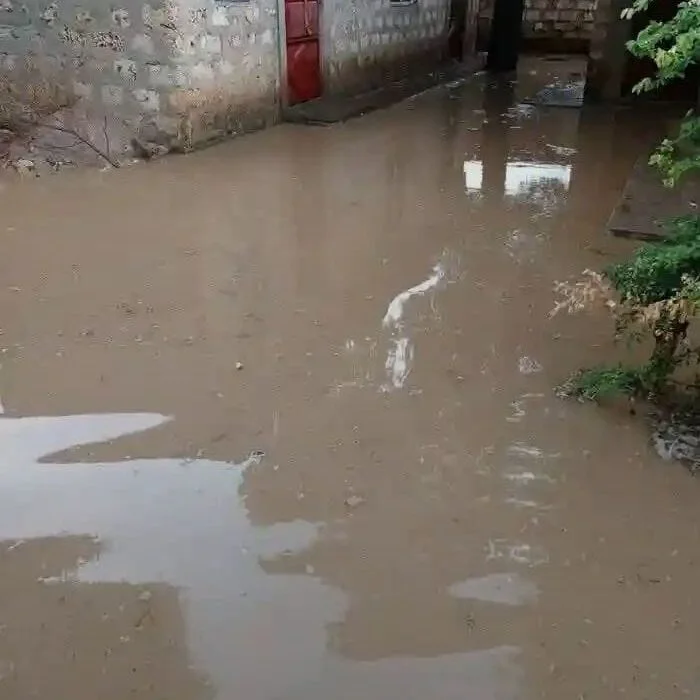
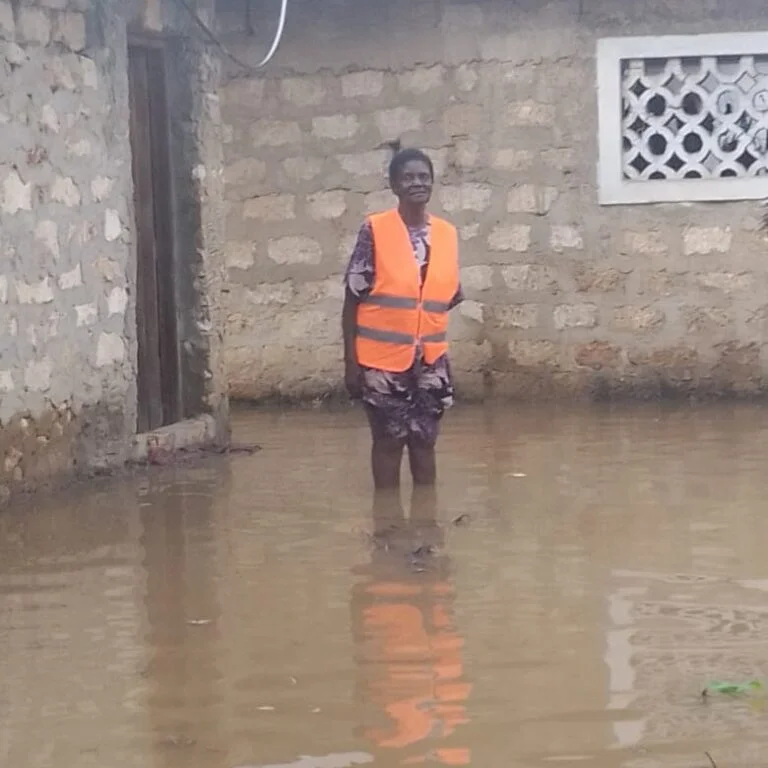
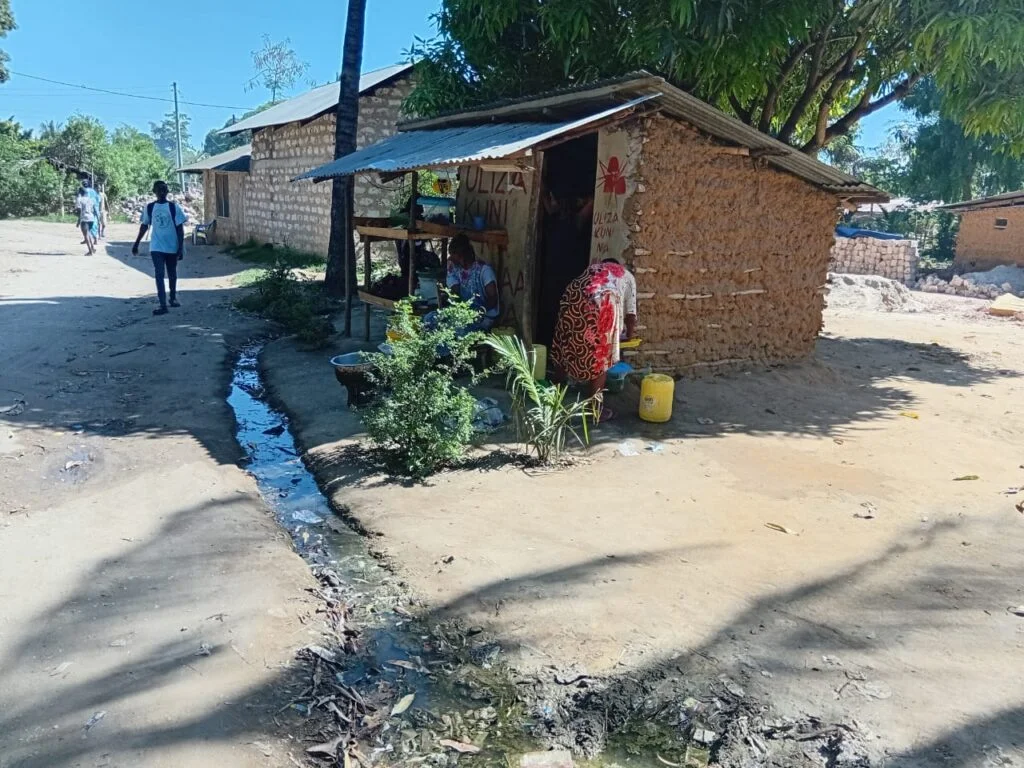
Some houses here are still thatched, while some have iron sheets for roofs. There are some multi-family Swahili style houses with a compound and multiple houses. The houses though are structurally stronger than the ones in Mombasa’s informal settlements because of the use of stone, which is locally available, to build walls. The settlement is vulnerable to flooding, strong winds, and high temperature.
There are threats of eviction, but a process of formalisation is underway. Because of its proximity to the university, there is growing interest by private developers to develop this land.
credit- Bessie Sarawowa
The residents have been engaging in efforts to formalize their ownership since 1986 when they formed the Mibuyu Saba Squatter Formalisation Scheme. This scheme was approved in 2007 when some lanes were approved for building houses. However, the process has been stalled for various reasons at the moment.
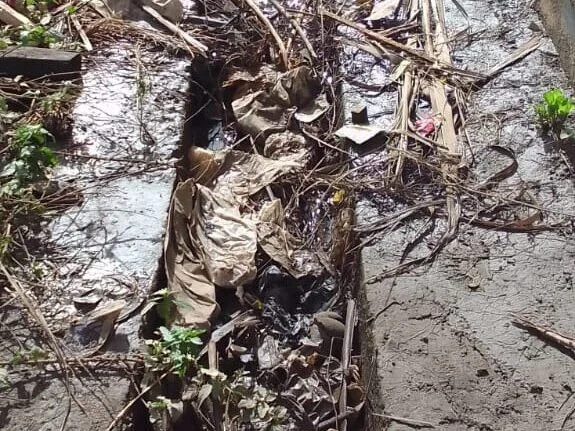
While toilets are relatively accessible, the settlement has no proper sewer system, and therefore there is no pathway for the water to drain, resulting in flooding during rains. Water supply and electricity is adequate, but subject to contamination due to poor drainage.
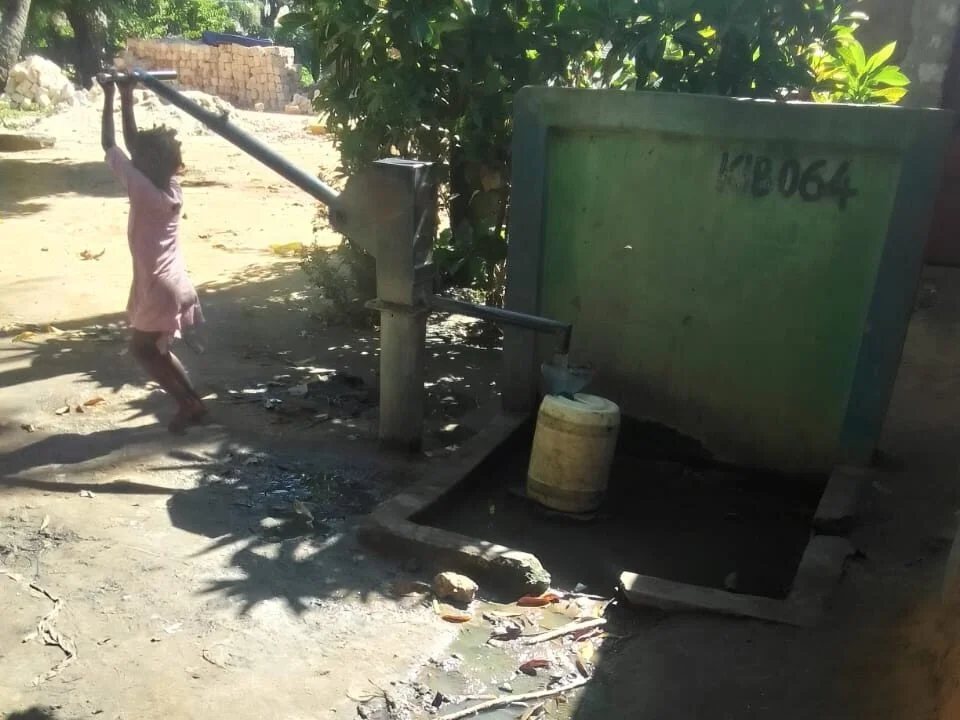
A waterpoint in Mibuyu Saba around poor drainage.