
Guntur
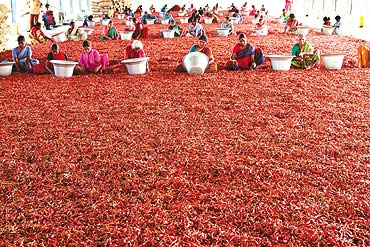
Guntur, which lies next to Vijawayada, is also an old city with its municipality being established in 1866. It is famous for its chillies, attracting labourers from the state and outside state. In Guntur, the project will work in Sarada colony.
Sarada colony
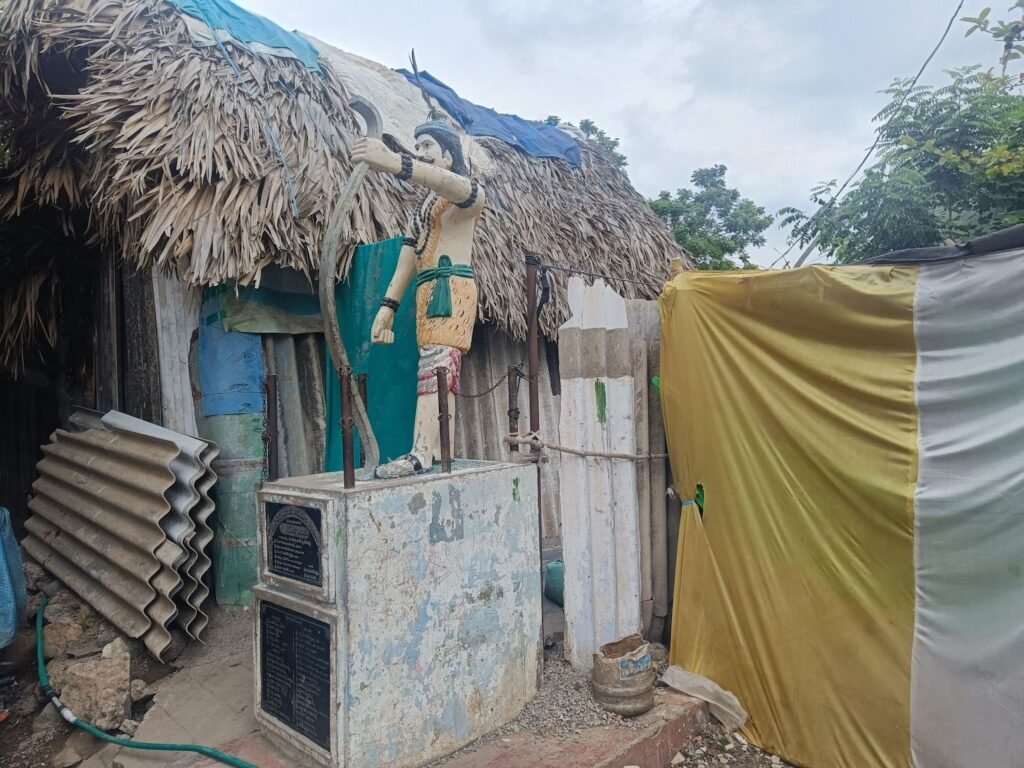
Sarada colony is located in the north-western part of Guntur city, adjacent to a large swamp. Though people here claim to have lived here for at least two generations, they do not hold legal land titles. There is a looming threat of eviction at all times.
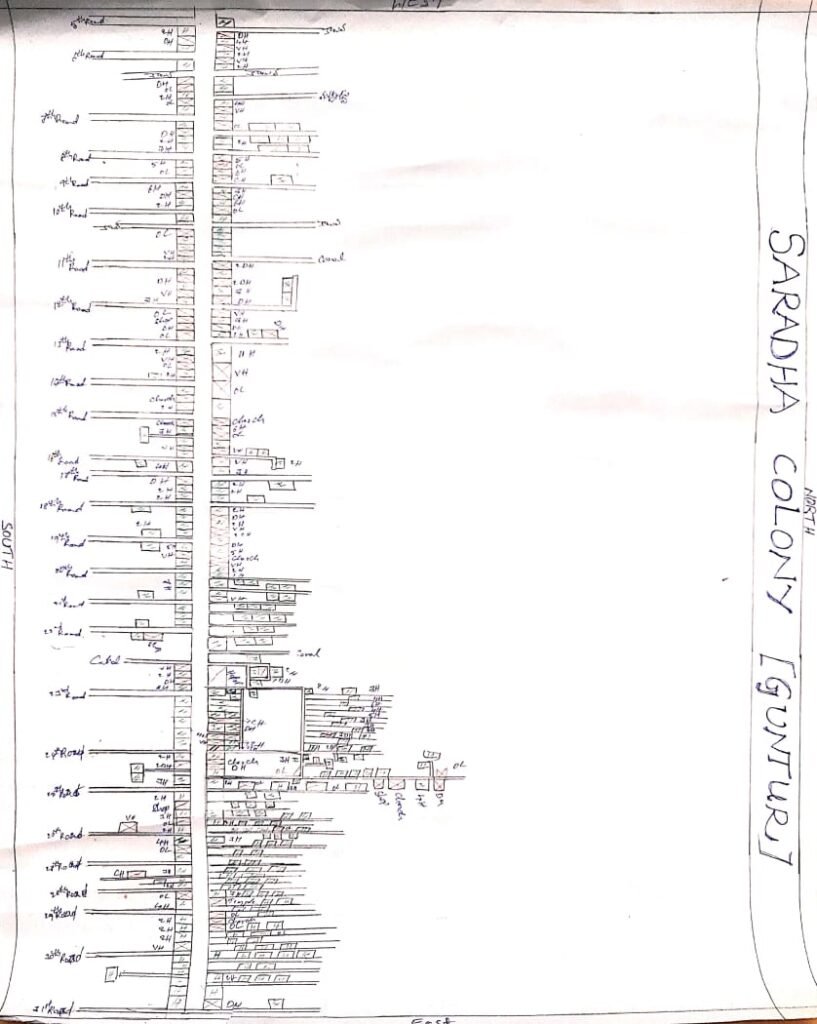
The people living here are mostly from Scheduled Caste/Dalit or Scheduled Tribe communities, most of whom identify as Christian. The community depends on a variety of informal and precarious jobs, earning about ₹200 to ₹300 per day. Men are mostly engaged in catering services on a daily wage basis, while women are involved in waste picking, hair selling, and home-based work like plucking chilli tips. Hair selling involves bartering some objects such as kitchen items for hair women shed, and then selling those to people who make extensions or wigs. This occupation, like many others this community engages in, becomes difficult during monsoons. Since work is seasonal, the people here also borrow money and often are in debt.
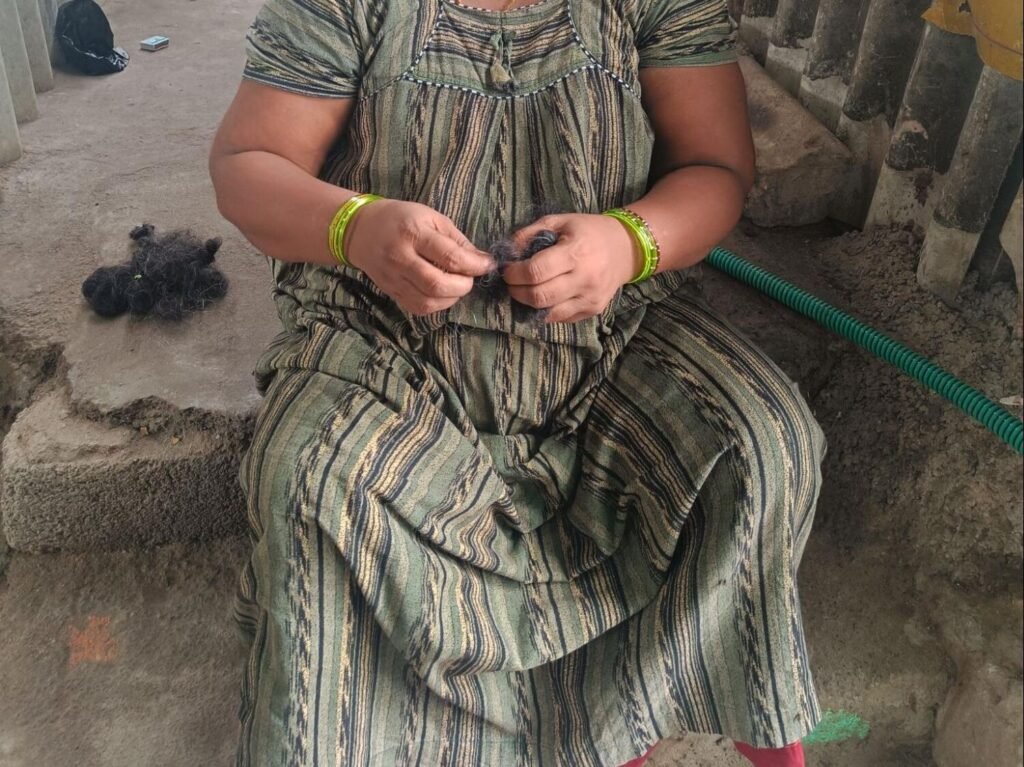
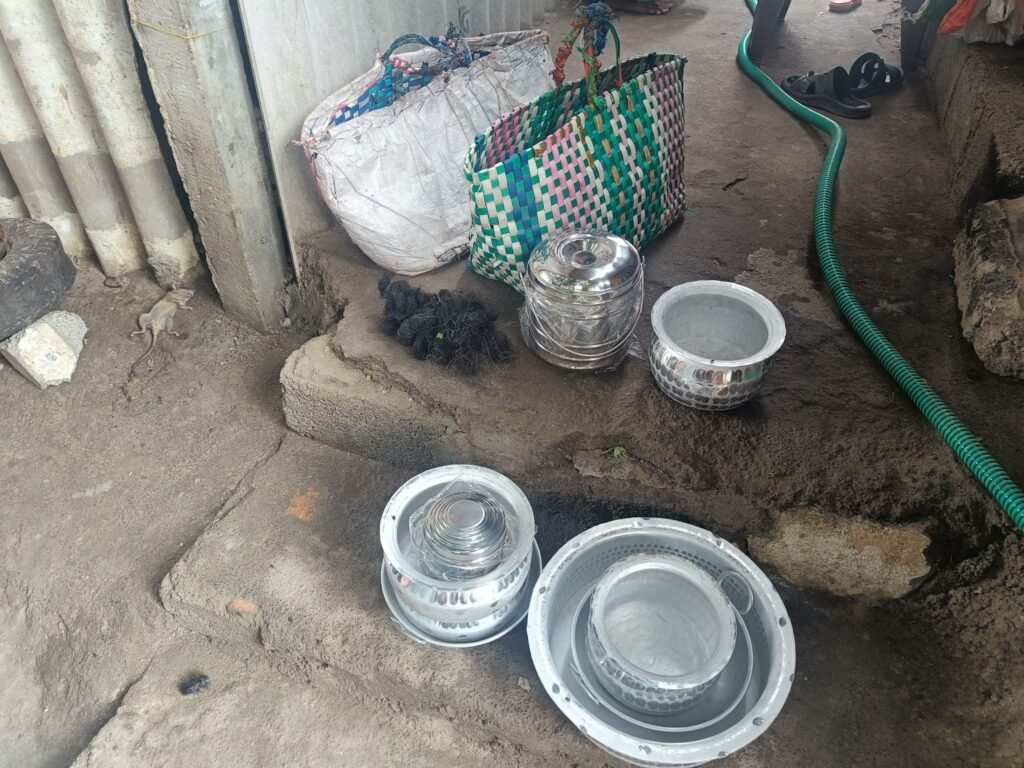
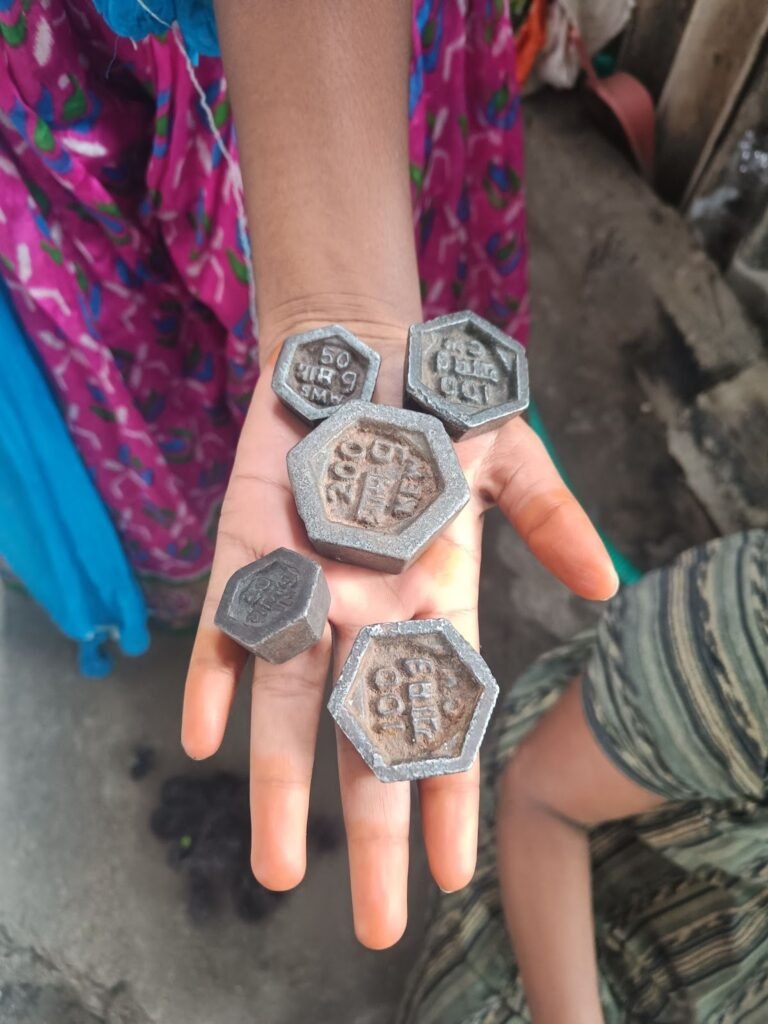
scales to measure hair
weight
Houses, which appear to be built by residents themselves, are packed in narrow lanes that allow at most a two-wheeler to pass through. Many houses have roofs made of tin or cement sheets, while others are semi pucca structures, that is a combination of temporary and permanent materials, such as bricks with tin or cement sheets.
This area is subject to extreme heat waves and flooding. These houses provide little shelter from both these extreme weathers. During heavy rains, the entire stretch gets submerged in water up to knee level for sometimes up to five days. The lack of drainage systems keeps the water stagnant for days, increasing risk of mosquito-borne diseases and water-borne diseases. The tin sheets trap heat inside, making indoor conditions unbearable, especially for the elderly and children.
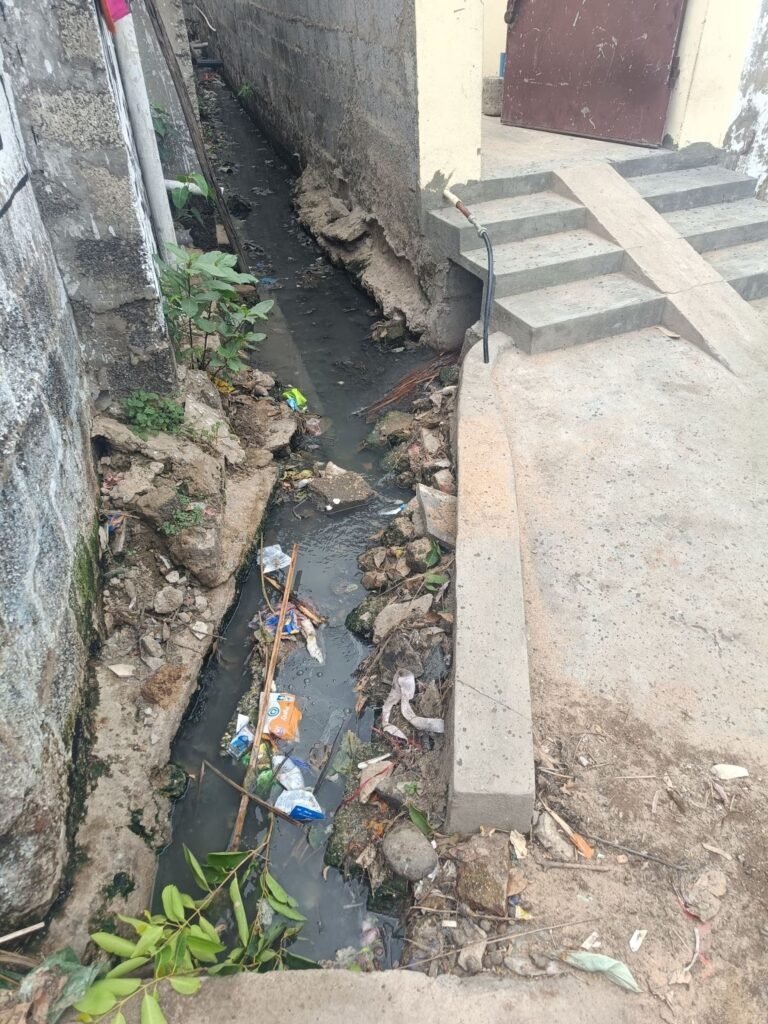
While most households have individual toilets, the lack of a proper drainage system severely affects sanitation. The main sewage channel that runs parallel to the settlement overflows frequently during rains, leading to widespread flooding and waterlogging in the lanes. During such episodes, household and human waste enter the lanes and sometimes into homes, posing serious health risks. The absence of covered drains and stormwater channels exacerbates these problems. Garbage collection is irregular and often fails to cover the entire stretch. The waste, when not collected, accumulates in street corners or in the swamp, further polluting the environment. People also complain of mosquito infestation in the area.
While most people have municipal water connections, the water supply is irregular. During the monsoon, the tap water is often contaminated. People here buy 20-liter cans of water at ₹10 each from private suppliers who claim to sell purified water. The cost adds up significantly, especially for larger families and during times of illness.
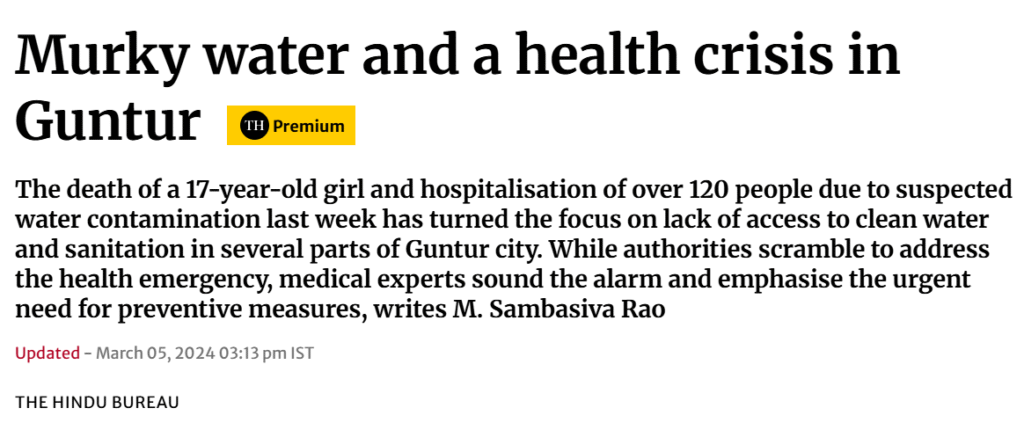
In 2023, there was an outbreak last year due alleged water contamination with more than 100 people from different parts of Guntur, including Sarada colony were rushed to the hospital with symptoms of diarrhoea, vomiting and fever. A young girl, barely 18 years old, from Sarada colony died in this outbreak. Some of the packaged-water producing units were closed down by municipal authorities as a result of the outbreak, claiming that they were unauthorised.
When people who live here fall sick, they first head to a local pharmacy and get medicines (even prescription medicines can be easily procured in local pharmacies in India). They also turn to RMPs, who are private allopathic providers that do not have a medical degree recognised by the state. The community members claim that these providers provide “quick relief” usually in the form of an injection, which according to them, provides fast recovery.
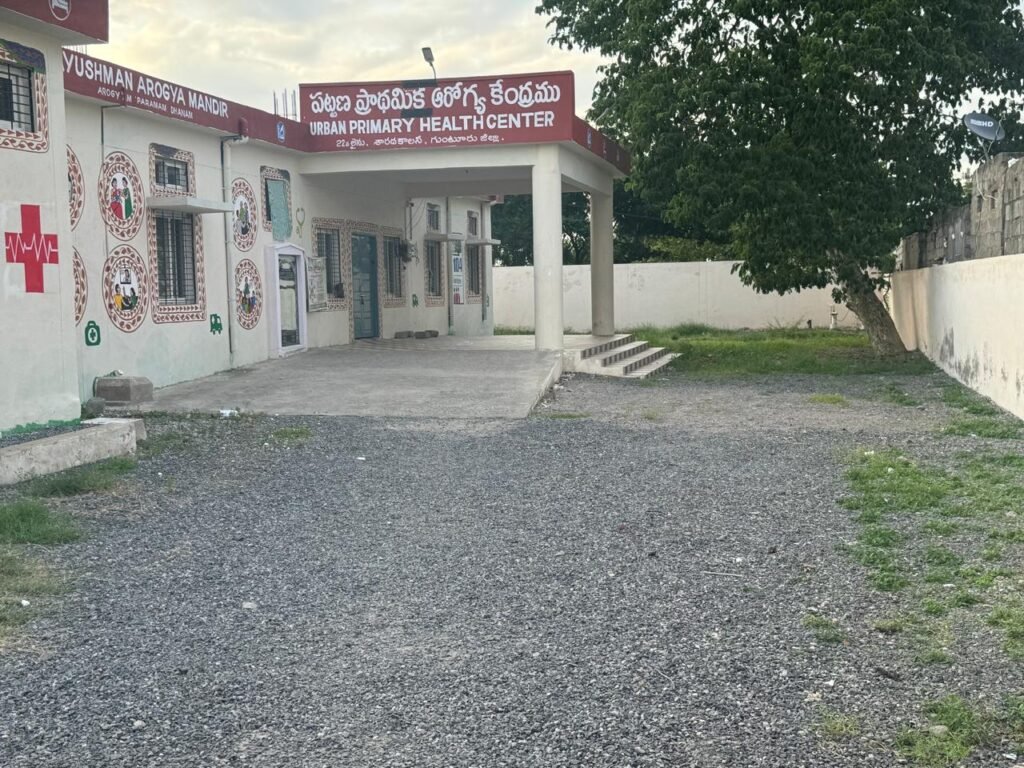
Two years ago, a new Urban Primary Health Centre (UPHC) was established nearby. As awareness has grown, residents have started to visit the UPHC, and some staff reportedly provide referrals to higher-level public hospitals when necessary.
Despite this progress, there remains a strong mistrust toward public hospitals, especially the Government General Hospital (GGH), Guntur. Residents complain about long waiting hours, poor staff behaviour, and the expectation of informal payments for services. These barriers discourage them from seeking formal care unless necessary.
Common health complaints in the settlement include musculoskeletal pain, especially knee and back pain, due to the nature of their work. Fevers are also common, particularly during monsoons, when stagnant water and poor drainage create breeding grounds for mosquitoes.