Heat stress worsens chronic health conditions, residents of informal settlements hit hardest
Climate change is increasing the frequency, intensity and duration of heat extremes worldwide. In India, the average maximum temperature increased by ~0.5°C by 2000, and by ~1.0°C by 2020, as per a study published recently. Heat extremes put more individuals, communities and health systems at risk of illness, and death.
People with pre-existing chronic illnesses such as diabetes, hypertension, renal disease among others are more vulnerable to heat-related illnesses. Extreme heat is known to exacerbate health risks of those living with chronic diseases and can trigger hospital visits and mortality risk as the body struggles to regulate itself under heat stress. Urban SHADE’s Hemanth Chandu and Pavani Pendyala recently wrote an article about informal settlements residents who live with chronic diseases.
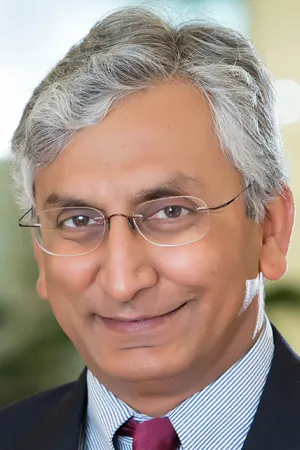
Urban SHADE’s Menaka Rao spoke to Dr Vivekanada Jha, executive director at The George Institute for Global Health, India, and a nephrologist and public health researcher. He is Professor, Faculty of Medicine, Imperial College London, and the past President of the International Society of Nephrology. A prolific writer and editor, Dr Jha has worked with many global organisations including the World Health Organisation to develop clinical practice guidelines and advocacy papers. His research interests include understanding the health and societal impact of kidney diseases around the world and the development of affordable, scalable and sustainable primary and secondary prevention tools.
Here are the excerpts of the interview:
Menaka: How does extreme heat affect persons with chronic diseases such as hypertension, diabetes? In your clinical experience, what changes have you seen among those living with chronic health conditions , especially among poor patients and those living in informal settlements?
Dr Jha: Heat affects both basic biology and the response of the body to external stimuli for people with chronic diseases including hypertension, diabetes, cardiovascular disease, kidney disease, etc.
As temperatures go up, we sweat more. While the sweating is perceptible when humidity is high, it is not perceptible when the heat is dry. Sweating leads to a loss of water and salt from the body, reducing the total water and salt concentration. This can lead to a reduction in blood pressure.
We have seen in clinics that people with well-controlled hypertension suddenly experience low blood pressure during extreme heat. They become giddy and weak. So during the summer months, we have to reduce the number of blood pressure medicines then, especially diuretics, which have the property of increasing urine flow, further worsening fluid and salt loss. We also have to warn our patients to check their blood pressure more frequently and pay attention to how they are feeling.
Many people with diabetes require insulin, which is taken in the subcutaneous region. During the heat, the body does not absorb insulin well from that site, leading to uncontrolled blood sugar levels, even if it had been previously controlled. The build up of sugar concentration in the blood leads to spillage in the urine, which draws more water with it, causing dehydration. We ask patients to avoid injecting on the limbs before physical activity in heat. The abdomen is more predictable. They should also monitor blood sugars more frequently during heat waves, especially after meals.
Insulin is a protein that denatures in hot weather. It should therefore be stored in a fridge. Many in informal settlements don’t have access to a fridge. Practical solutions include using insulated pouches with ice bags or clay pot coolers.
The effects of heat on kidney function have been extensively studied. When people lose salt and water through sweat, the blood flow to the kidneys decreases, and the kidneys lose some function. Let’s say a manual worker works in extreme heat from morning to evening. By evening, their kidney function becomes lower than normal. The kidney function may recover after the worker returns home and has water for the day, but repeated insults to the organ can result in long-term irreversible injury, which can progress to kidney failure.
This has been well documented in many geographies around the world, including rural agricultural communities, outdoor workers such as construction workers, people who work in salt pans, and others. A population that is overlooked is women in informal settlements who have to cook indoors using coal or wood-fired stoves and therefore are exposed to high heat for prolonged periods.
The body’s homeostatic mechanisms, which help us adapt to changes in our external environment, such as high heat, are impaired in those with chronic diseases like hypertension and diabetes. A younger person without any of these diseases, for example, will respond much more resiliently to heat stress.
Menaka: What is the kind of advice for people with chronic diseases?
Dr Jha: We warn our patients with hypertension that their blood pressure may go down during summer and that they should be mindful of any new symptoms that they develop. For example, if they start feeling giddiness or weakness, they should either check their blood pressure wherever they are or come to the clinic, where it can be checked. In that situation, we may need to reduce the number of blood pressure medications. Similarly, when the summer season ends, their need for blood pressure drugs may increase again.
People with diabetes who are taking insulin, we have to advise them to keep their insulin in a cold environment, in a fridge, etc. We also tell them that when they are taking insulin, they should make sure they don’t inject it into the same site of the skin every day, especially over the limbs before physical activity. Finally they need to increase the frequency of blood sugar monitoring especially after meals.
For people with kidney disease, we tell them to drink extra water and take salt when they step out. Not just one single one-litre bottle, as it’s not sufficient. We also ask them to try to avoid going out during the peak summer hours, so they go out early in the morning. For example, we tell farmers to try to go to the farm at 6am and come back at 10am, then go back maybe late in the evening.
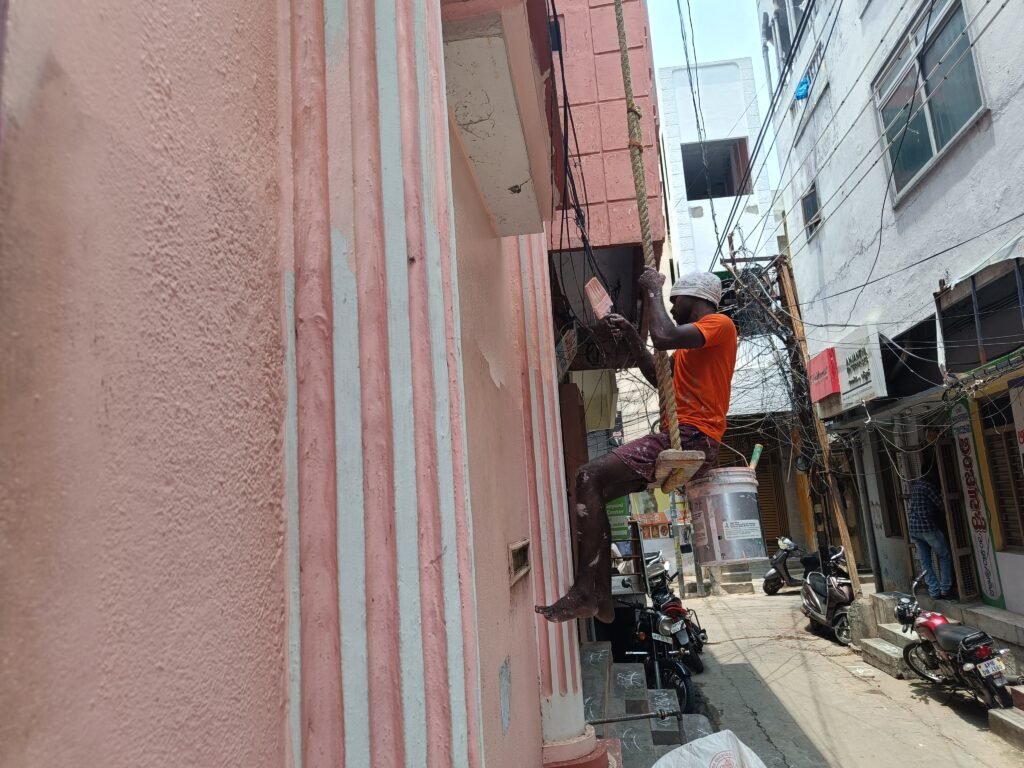
Working hours are a problem during the heat. We have to engage with policy makers for this. For example, we have to talk to employers or contractors to allow them to change their working hours, give them breaks, so that they can sit in the shade and have water. We call it rest, shade, and water intervention. Ideally, we should also work with governments to reform labour laws so that people are not required to work when the heat becomes unsafe.
In the US, the organisation Occupational Safety Health Administration or OSHA have regulations to protect employees from heat-related hazards, and to encourage early interventions by employers to prevent illnesses and deaths among workers during high heat conditions. In India, we primarily rely on general advisories and broad statutory principles rather than strictly enforceable, specific heat regulations.
Menaka: The government has published several guidelines on how the public health system should deal with people with heat stress. What has your experience been with dealing with people with heat stress in health facilities?
Dr Jha: Our primary healthcare sector is not geared to identify heat-related illnesses. We work in Srikakulam district in Andhra Pradesh and in Chhattisgarh investigating the effect of heat on health. When people come to the PHC complaining of exhaustion or weakness, the staff there often doesn’t recognize it as a heat-related illness. Sometimes they are given painkillers because they have a body ache, which worsens the injury, as painkillers are harmful to the kidneys. The appropriate medical response should be to give them more fluids and salt. Many PHC records often record no admissions or visits due to heat-related illnesses. This is not deliberate but out of ignorance. The Ministry of Health and Family Welfare have not yet reached primary care doctors.
Menaka: What more can be done to deal with effects of extreme heat among those with chronic health conditions in terms of research or protocols to be established?
We need to ensure that the existing guidelines reach the intended population. We need to do implementation research to find out how we can make that happen. We need to move beyond making generic recommendations to more specific recommendations.
We have heat action plans at state, national and even city levels. The Ahmedabad Heat Action plan has received quite a bit of attention, and it has been tried and shown to be successful in some ways. We need to understand what makes these work and apply the lessons in other places. Several heat action plan recommendations are generic, and do not specifically address the needs of people with pre-existing chronic diseases. As researchers, our purpose should be to understand the needs of this vulnerable population with pre-existing chronic diseases and to develop specific guidelines that allow doctors to tailor treatment to each individual’s needs. We also need to work with policymakers to ensure that appropriate policy reforms can be brought in to protect the health of these workers who otherwise have no choice but to go out and work if they have to make a living.
We are experiencing climate change every day, and it is only going to get worse. People may not appreciate it, but this is going to be the coolest year we will experience during our lifetimes. The problem of heat stress related to those with pre-existing chronic conditions is going to continue to escalate. This problem affects marginalized and vulnerable people far more than those who are well off and can afford to protect themselves. We need more advocacy, more community empowerment, and a commitment to ensuring that community voices are raised against this problem.
Climate change is a multi-sectoral problem, and we are only now beginning to discuss its effects on health. Even now, in many countries, policies related to environmental change are made by ministries that may not include the health ministry. In India, we have the Ministry of Environment, Forest and Climate Change, the Ministry of Labor and Employment, and the Ministry of Housing and Urban Affairs, the National Disaster Management Authority and the money is with the Ministry of Finance. Are they considering health? I don’t know the answer. So, a lot is required to address this problem holistically.